2026
NEURODIVERGENCE WELLBEING CONFERENCE
Monday 28 – Tuesday 29 September 2026
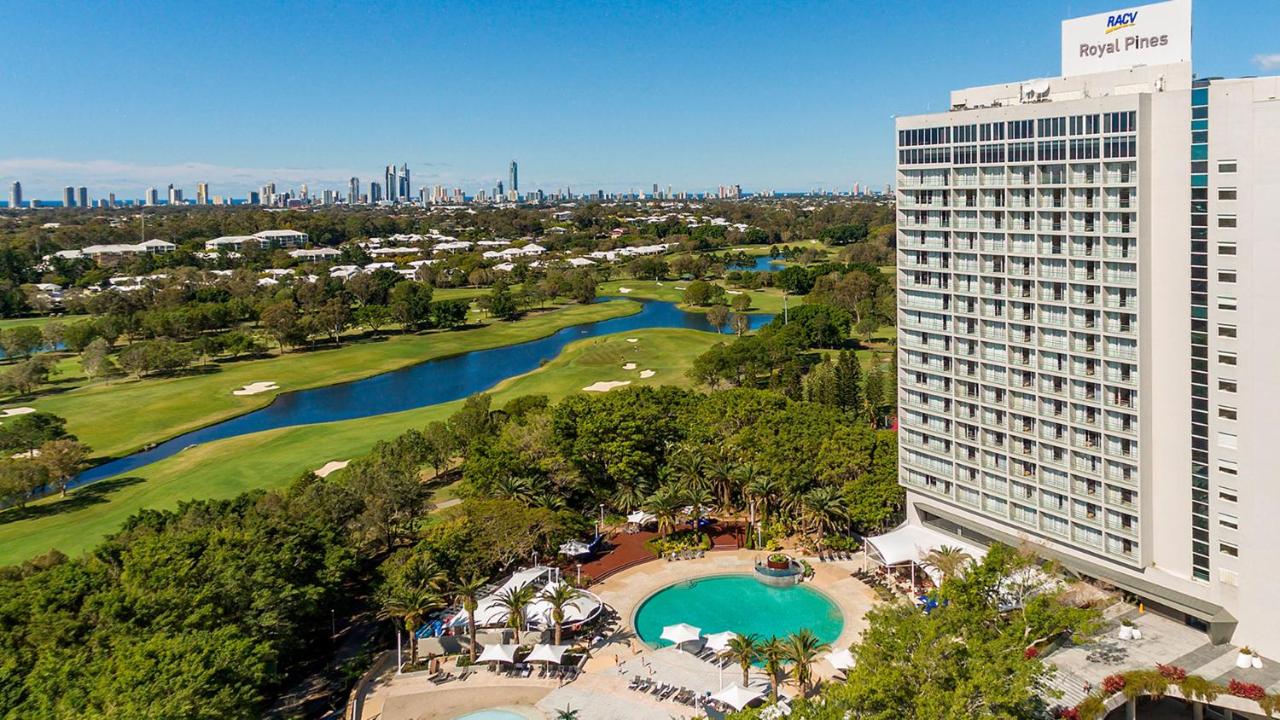
RACV Royal Pines Resort, Gold Coast
From Insight to Impact: Cultivating the Future of Neurodivergent Wellbeing
CELEBRATING DIVERSITY. REDEFINING INCLUSION. REIMAGINING BELONGING.
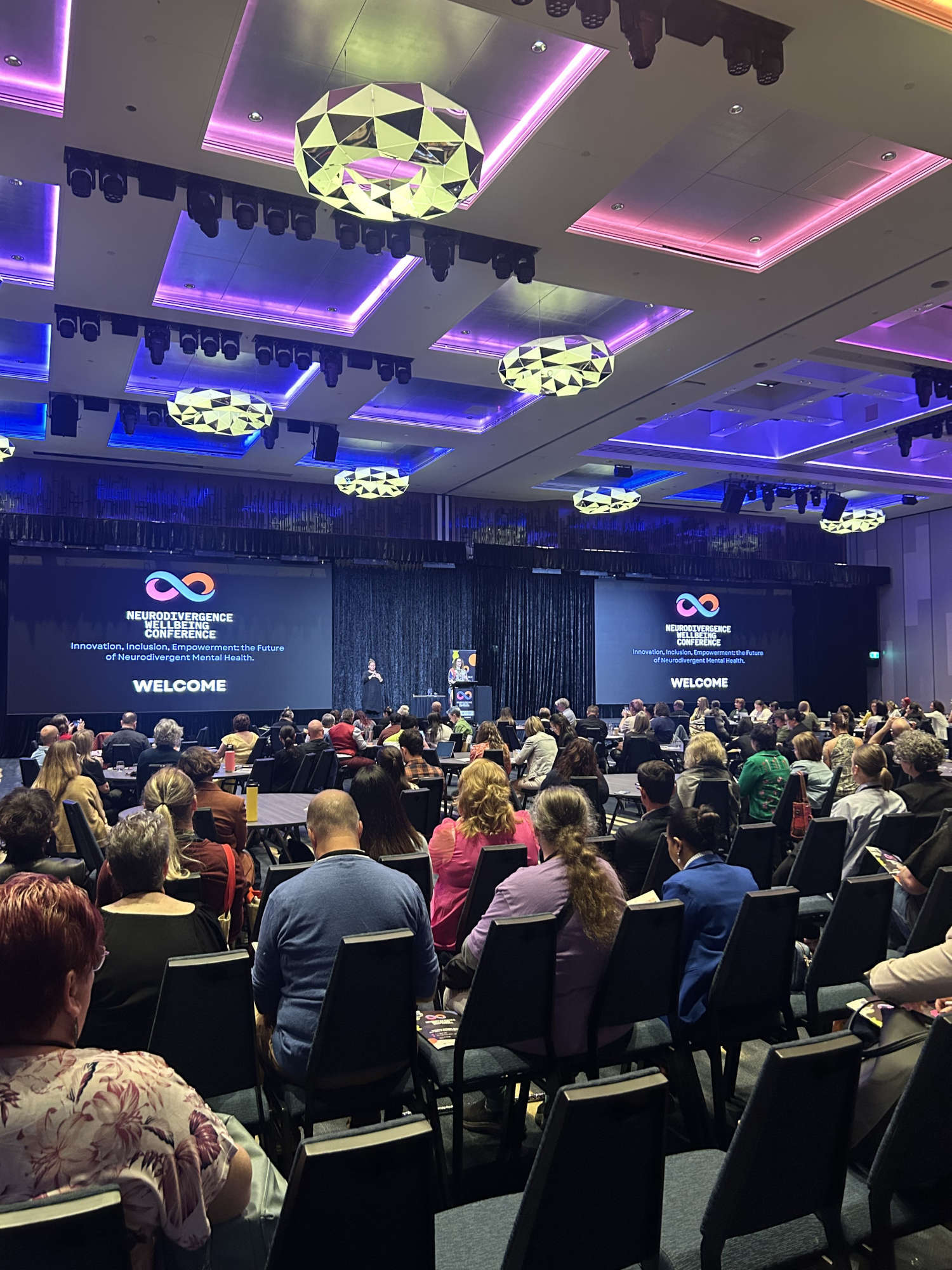
After a powerful and inspiring first year, the Neurodivergence Wellbeing Conference returns in 2026.
Building on the success of NWC25, this second annual event will continue to elevate neurodivergent voices, bridge research and lived experience, and explore what genuine inclusion looks like across systems, services, and communities.
Join us at the RACV Royal Pines Resort, Gold Coast, or online, for two days of learning, collaboration, and connection.
After a powerful and inspiring first year, the Neurodivergence Wellbeing Conference returns in 2026.
Building on the success of NWC25, this second annual event will continue to elevate neurodivergent voices, bridge research and lived experience, and explore what genuine inclusion looks like across systems, services, and communities.
Join us at the RACV Royal Pines Resort, Gold Coast, or online, for two days of learning, collaboration, and connection.
Insight-driven presentations
Real stories and lived experience
Practical strategies and research updates
Cross-sector collaboration
Time to pause and connect
About NWC
The Neurodivergence Wellbeing Conference gives space for and respect to the stories, challenges, and successes of neurodivergent people, and the professionals and allies who support them.
From exploring inclusive practice to reimagining wellbeing systems, NWC26 will cover some of the most significant conversations shaping neurodivergent mental health today.
Together, we’ll share knowledge, research, and lived experience to create a more affirming, connected, and equitable future for all neurodivergent individuals.
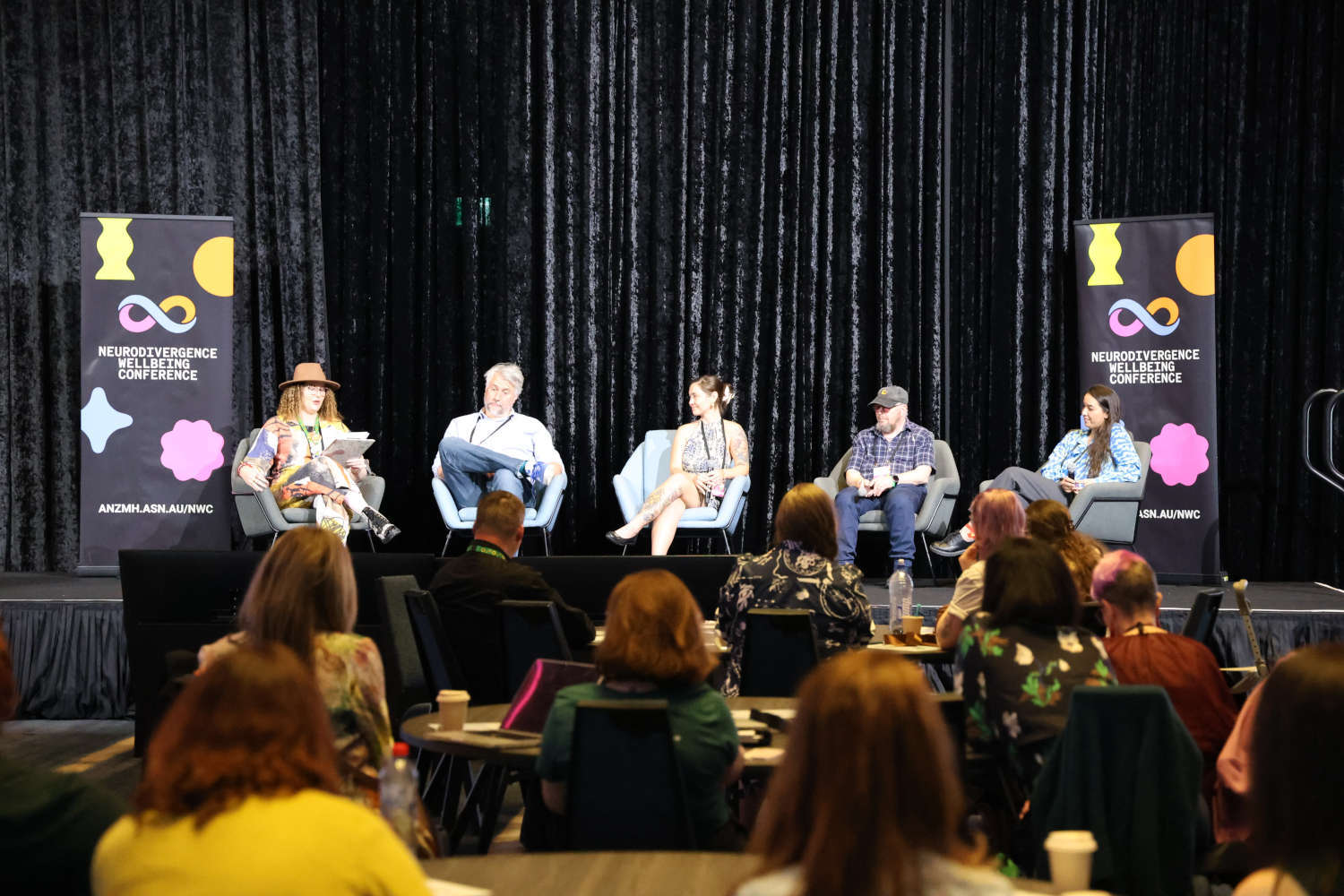
Our Mission
Our NWC26 Vision
Be part of NWC26 and together we will…
- Amplify voices within the neurodivergent community and advocate for greater understanding, acceptance, and inclusion.
- Expand understanding of neurodivergence across all diagnoses, identities, and lived experiences.
- Bridge research, practice, and policy to drive real-world impact and systems change.
- Support professional learning and cross-sector collaboration through high-quality presentations and workshops.
- Create spaces for reflection, connection, and wellbeing throughout the program.
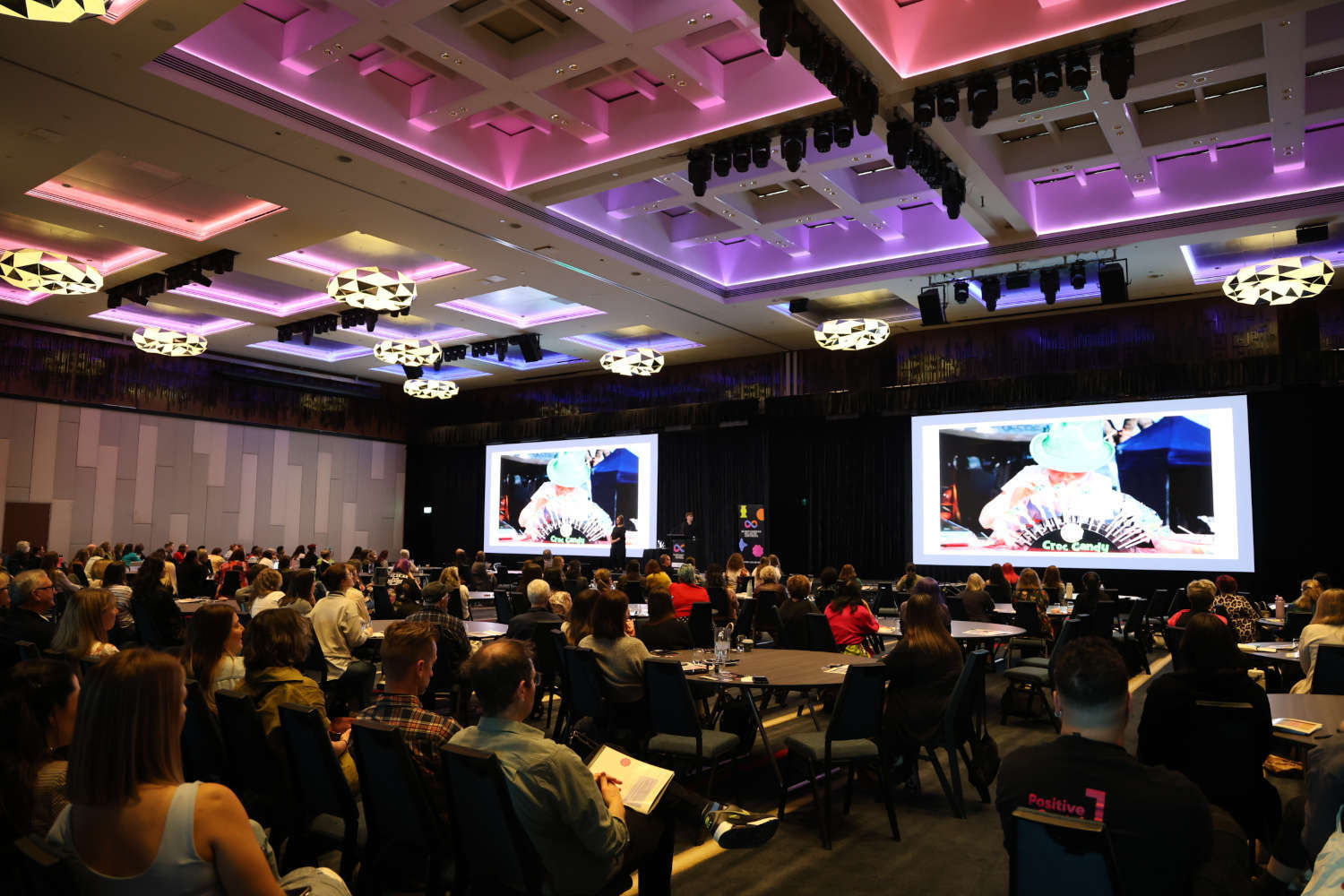
Who Attends
Who is NWC For?
The Neurodivergence Wellbeing Conference brings together a diverse mix of delegates from across community, research, education, and healthcare. Typically, we see:
- Mental health professionals — psychologists, counsellors, social workers, and therapists.
- Medical and allied health professionals — GPs, occupational therapists, speech pathologists, dietitians, and nurses.
- Educators and learning specialists — principals, teachers, and school counsellors.
- Researchers, academics, and students exploring neurodivergent wellbeing and inclusion.
- Leaders and program managers from community organisations and government sectors.
- Neurodivergent professionals, advocates, and individuals passionate about improving systems of support.
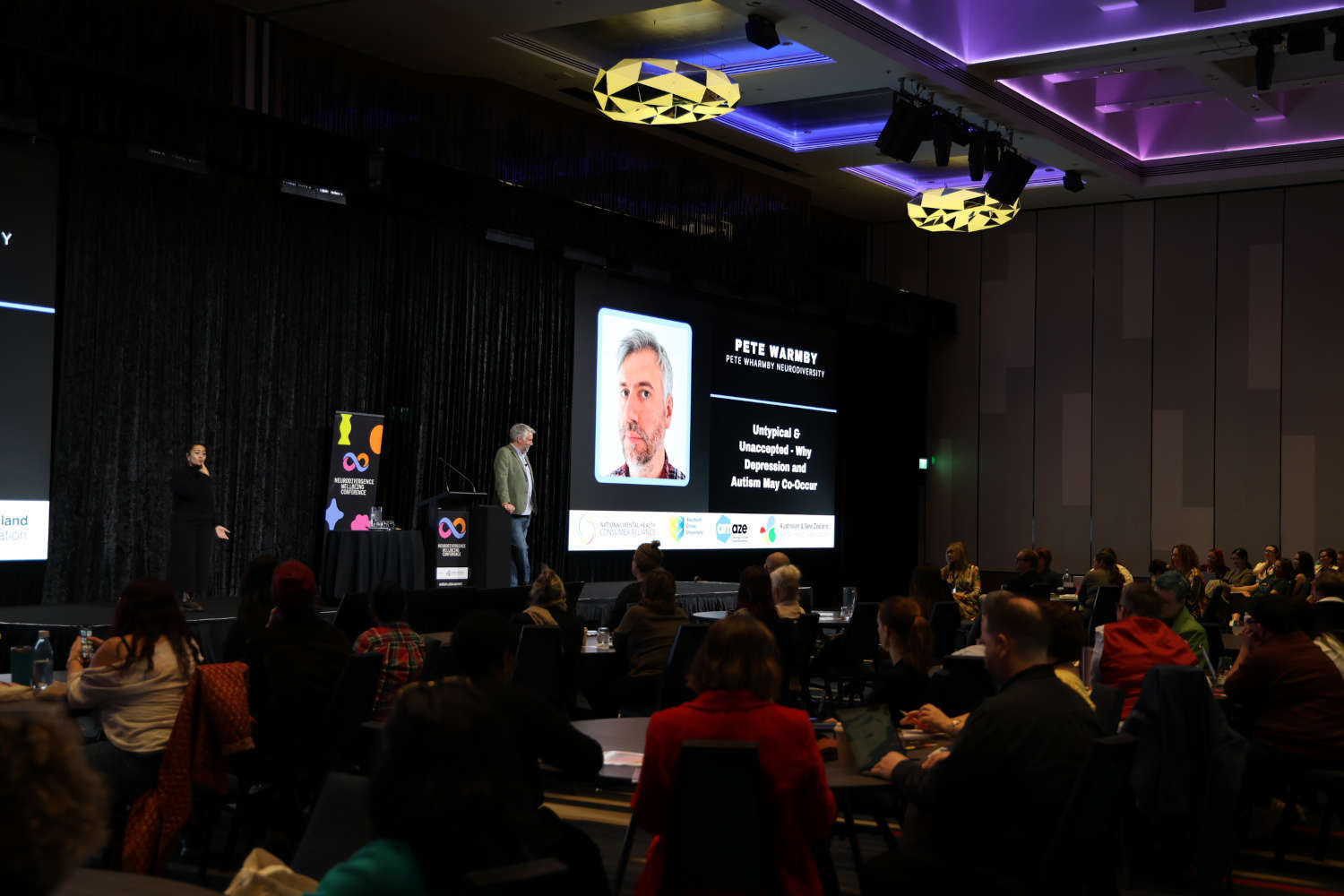
What You’ll Gain
Why Attend NWC26?
The NWC program is shaped by lived experience, research, and practice. It's been designed to deliver insights you can apply immediately in your work and life.
You’ll gain:
- Access to all keynote and concurrent sessions (in-person or online)
- Opportunities to network and collaborate across sectors
- A curated wellbeing and sensory-friendly environment
- All session recordings (available for 30 days)
- Printed conference materials and access to the conference app
- Over 10 hours towards CPD points
- A personalised certificate of attendance
The NWC26 Program
From Insight to Impact: Cultivating the Future of Neurodivergent Wellbeing celebrating Diversity. Redefining Inclusion. Reimagining Belonging.
NWC26 Topics
Click to expand.
1. Language, Identity & the Neurodivergent Paradigm
Summary
Language shapes how neurodivergence is understood, supported, and lived. This topic explores the power of words, diagnosis, and self-identification—how they influence belonging, stigma, and wellbeing. Delegates will unpack the shift from deficit-based models to neuro-affirming paradigms that empower both practitioners and the people they serve.
Subtopics:
- The evolution from pathologisation to empowerment
- Inclusive, person-preferred language across sectors
- Diagnostic language and its cultural impacts
- Labels, identity, and the psychological effects of naming
- Critical neurodiversity theory and the neurodivergent paradigm in practice
2. Intersections of Identity & Identity-Affirming Care: Culture, Gender, Sexuality & More
Summary
Systems can either enable or restrict neurodivergent wellbeing. This topic examines how education, justice, welfare, and healthcare structures impact access, inclusion, and outcomes for neurodivergent individuals. Sessions will explore strategies for systemic reform, trauma-informed policy, and inter-agency collaboration that create environments where neurodivergent people can thrive.
Subtopics:
- Decolonising systems of care across mental health, education, housing, healthcare, disability, and family violence sectors
- Neurodivergence in justice, child protection, and forensic systems
- Systemic bias and equitable access to services
- Trauma-informed systems design and cross-sector collaboration
- Policy frameworks supporting neuroinclusion and equity
3. Systems of Influence: Education, Justice & Wellbeing
Summary
Systems can either enable or restrict neurodivergent wellbeing. This topic examines how education, justice, welfare, and healthcare structures impact access, inclusion, and outcomes for neurodivergent individuals. Sessions will explore strategies for systemic reform, trauma-informed policy, and inter-agency collaboration that create environments where neurodivergent people can thrive.
Subtopics:
- Decolonising systems of care across mental health, education, housing, healthcare, disability, and family violence sectors
- Neurodivergence in justice, child protection, and forensic systems
- Systemic bias and equitable access to services
- Trauma-informed systems design and cross-sector collaboration
- Policy frameworks supporting neuroinclusion and equity
4. Neurodivergence Across the Lifespan
Summary
Neurodivergent experiences evolve over time, intersecting with key developmental, hormonal, and life transitions. This topic highlights approaches that support thriving from early childhood through ageing — ensuring that care, education, and employment pathways remain affirming, adaptive, and inclusive at every stage of life.
Subtopics:
- Early regognition and inclusive early childhood supports
- School transitions, adolescence, and higher education
- Workforce entry and mid-career challenges
- Late diagnosis and self-identification: journeys of discovery and understanding
- Menopause, hormones, and cognitive health
- Neurodivergence in ageing, retirement, and dementia care
5. Lived Experience Leadership & Storytelling for Change
Summary
Real progress in neurodivergent wellbeing begins when lived experience leads. This topic centres neurodivergent voices as co-creators of research, practice, and policy, exploring storytelling as a form of knowledge, advocacy, and reform. It embraces epistemological pluralism — recognising diverse ways of knowing and communicating lived experience — and celebrates community connection, belonging, and the power of shared narrative. Sessions will also explore what neurodivergent leadership means in practice, challenging neurotypical assumptions and redefining leadership through lived experience
Subtopics:
- Co-production and co-design in research, service design, and policy
- Storytelling, creative expression, and narrative identity
- Building community connection and peer-led models of care
- Leadership pathways and accessible professional development for lived-experience professionals
- Embedding lived experience in organisational decision-making
6. Neurodivergence, Complexity, Co-occurrence & Wellbeing
Summary
Neurodivergent experiences and wellbeing often intersect in complex and interdependent ways. This topic reframes co-occurrence through a neuro-affirming lens, focusing on regulation, resilience, and recovery. Sessions explore how to reduce stigma, understand burnout, and support emotional wellbeing through trauma-informed, inclusive approaches.
Subtopics:
- Anxiety, depression, and trauma through a neuro-affirming framework
- Neurodivergent burnout: recognition, prevention, and recovery
- Emotional regulation and sensory-based tools
- Destigmatising experiences of complex mental health and distress (e.g. bipolar experiences, psychosis, schizophrenia, etc.)
- Suicide prevention and postvention within neurodivergent communities
- Building resilience and protective factors in care models
7. Neuro-affirming Practice & Therapeutic Advancement
Summary
As practice evolves, so must therapy. This topic brings together evidence-informed and creative approaches that respect neurodivergent experience. It highlights innovations in psychotherapy, somatic and sensory work, and integrative health — helping practitioners move beyond adaptation toward true affirmation. Discussions will also address iatrogenic harm and explore how to bridge the gap between emerging research and real-world therapeutic practice.
Subtopics:
- Adapting therapy modalities (DBT, CBT, IFS, ACT, EMDR, Play Therapy)
- Polyvagal-informed, body-based, and sensory-aware interventions
- Working with PDA and trauma-sensitive therapy adjustments
- Integrating art, music, and nature-based and holistic therapies
- Nutrition, movement, and sleep for nervous system regulation
- Repairing therapeutic rupture, addressing iatrogenic harm, and rebuilding trust
- Translating innovative research into clinical and community practice
8. Inclusion & Affirming Environments: Schools, Workplaces and Communities
Summary
Inclusion is more than accommodation — it’s cultural redesign. This topic explores how schools, workplaces, and community spaces can create affirming environments that promote genuine access, participation, and belonging. Through leadership, universal design, and collaborative practice, delegates will consider how systems can evolve to support all forms of neurodivergence.
Subtopics:
- Schooling and educational approaches
- Dyslexia, dysgraphia, and learning differences in practice
- Peer education and student voice in inclusion
- Organisational neuroinclusion: culture, policy, and leadership
- Employment pathways, mentorship, and entrepreneurship
- When adjustments aren’t enough: overcoming barriers to systemic redesign
9. Relationships, Sexuality & Family Life
Summary
Inclusion is more than accommodation — it’s cultural redesign. This topic explores how schools, workplaces, and community spaces can create affirming environments that promote genuine access, participation, and belonging. Through leadership, universal design, and collaborative practice, delegates will consider how systems can evolve to support all forms of neurodivergence.
Subtopics:
- Schooling and educational approaches
- Dyslexia, dysgraphia, and learning differences in practice
- Peer education and student voice in inclusion
- Organisational neuroinclusion: culture, policy, and leadership
- Employment pathways, mentorship, and entrepreneurship
- When adjustments aren’t enough: overcoming barriers to systemic redesign
10. Research, Innovation & Policy for Change
Summary
Inclusion is more than accommodation — it’s cultural redesign. This topic explores how schools, workplaces, and community spaces can create affirming environments that promote genuine access, participation, and belonging. Through leadership, universal design, and collaborative practice, delegates will consider how systems can evolve to support all forms of neurodivergence.
Subtopics:
- Schooling and educational approaches
- Dyslexia, dysgraphia, and learning differences in practice
- Peer education and student voice in inclusion
- Organisational neuroinclusion: culture, policy, and leadership
- Employment pathways, mentorship, and entrepreneurship
- When adjustments aren’t enough: overcoming barriers to systemic redesign
Testimonials
"I have never felt so seen, heard, accepted as 100% me."
"Attending the Neurodivergence Wellbeing Conference was both energising and affirming… many sessions were rich in storytelling, practical strategies, and cultural grounding, creating space for genuine connection."
"The clarity of instructions and help available for finding things was exceptional… the food was amazing, the technology help also fab, all in all wonderful. Would recommend."
"I thoroughly enjoyed the Neurodivergent Wellbeing Conference because it offered a rare and powerful blend of lived experience and professional expertise… it was both validating and empowering!!!"
"I gained more insights than I thought possible. It was the most comfortable space I have ever been in."
The NWC Committee
The people behind the conference.
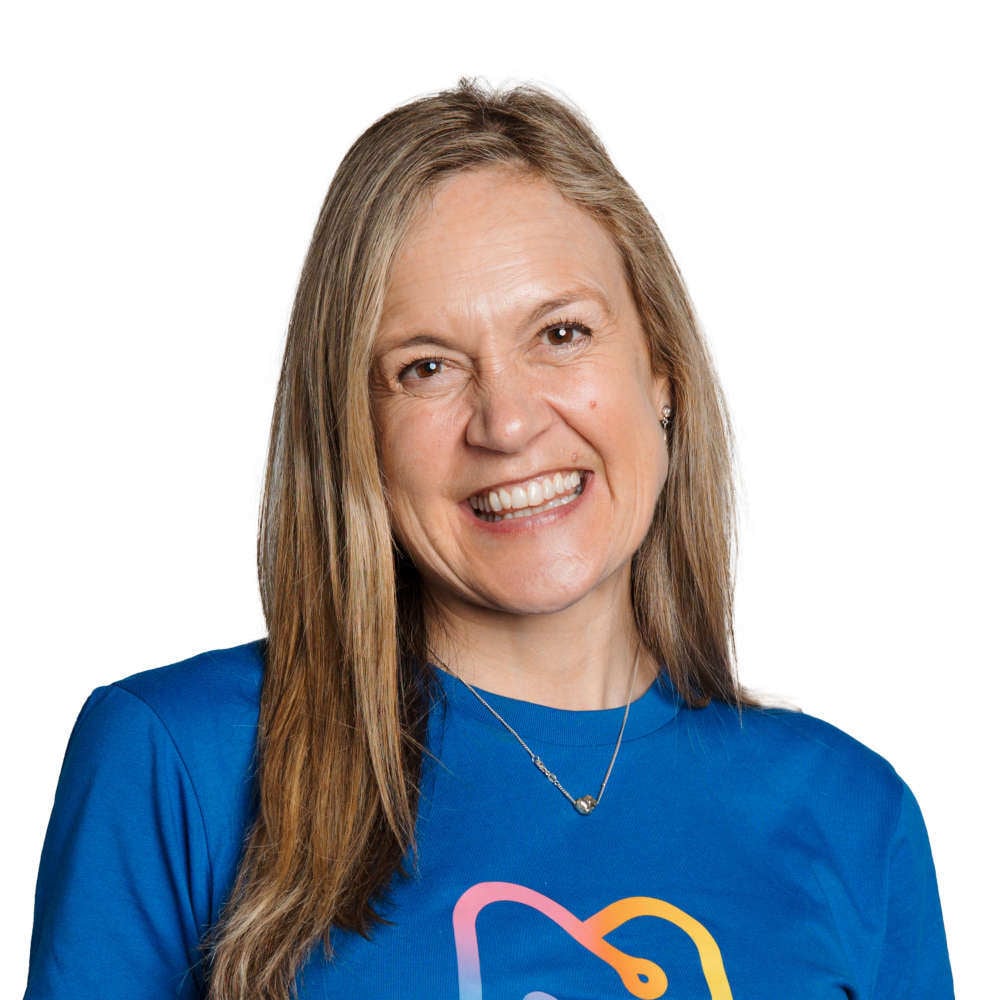
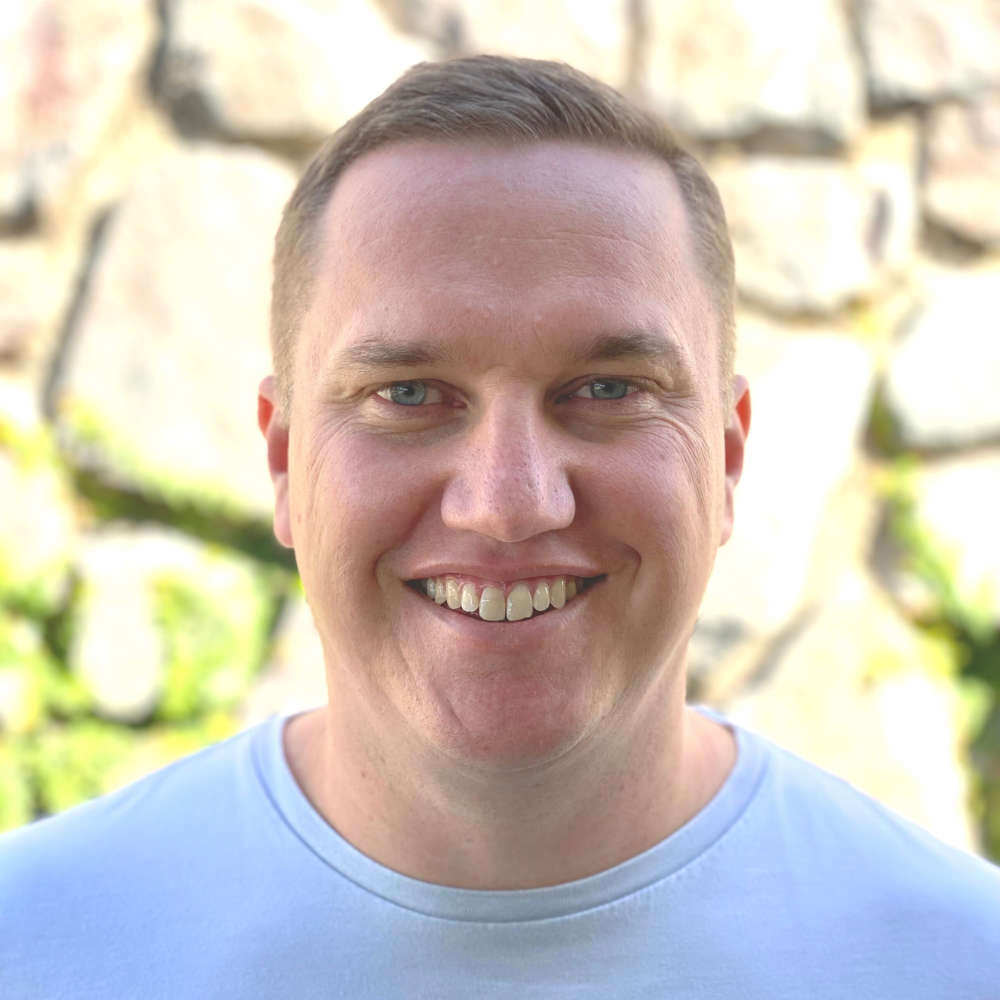
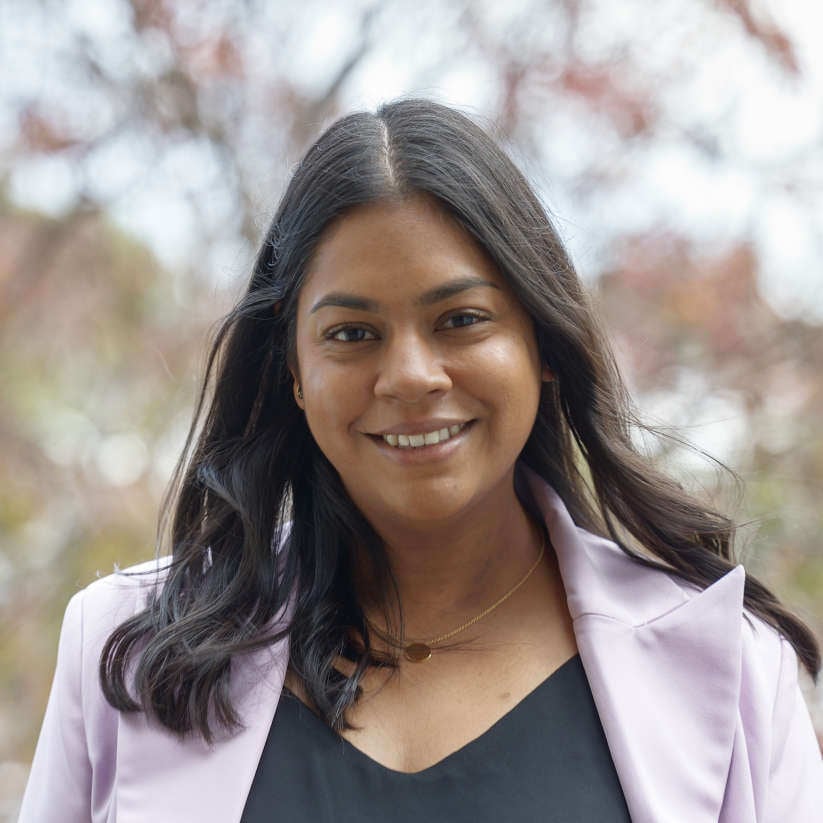
NWC26 is curated by a passionate committee of neurodivergent advocates, clinicians, educators, and researchers committed to shaping a more inclusive future.
Dr Erin Bulluss is an Autistic clinical psychologist who feels strongly about honouring neurodiversity in the pursuit of wellbeing. She has a great deal of experience working in areas specific to Autistic clients, such as identifying and managing Autistic burnout, differentiating between Autistic burnout and depression, exploring client experiences of masking/camouflaging, and exploration of Autistic identity and culture, particularly following late-identification of autism. Erin now disseminates this clinical knowledge by providing supervision and consultancy to mental health professionals interested in developing their skills in working with Autistic clients, including building cultural competence and humility. She has also presented her work at international conferences and been published in a range of publications, including peer reviewed journals.
Brendan Chippendale is an autistic psychotherapist, educator, and advocate with over 30 years’ experience supporting neurodivergent and LGBTIQA+ communities. He specialises in trauma-informed, neurodiversity-affirming therapy, with a focus on identity, self-advocacy, and mental health recovery. Brendan leads Affirming Access, a national initiative empowering autistic and LGBTIQA+SB young people through rights-based education and inclusive practice. His work blends lived experience with professional insight, centring client autonomy and cultural safety. Brendan also provides training for therapists, educators, and organisations on creating genuinely inclusive environments. He is passionate about amplifying community voices, challenging ableism, and building systems where neurodivergent people can thrive on their own terms.
Laurence is queer, neurodivergent, and has lived experience of an eating disorder. They obtained a Bachelor of Psychological Science and a Master of Philosophy in Gender Studies at the University of Adelaide. She is currently doing a PhD at the University of New South Wales. Laurence’s research interests include psychoneuroimmunology, sensory processing, eating disorders, neurodiversity, and mental health. In their spare time, Laurence enjoys writing poetry, roller-skating, and traveling.Laurence is a graduate of the Autism CRC Sylvia Rodger Academy (Research Program) and the Founder of Australia and New Zealand Academy for Eating Disorders’ (ANZAED) neurodiversity special interest group.
Annie Crowe is a neurodivergent advocacy coach, speaker, and consultant specialising in neuroinclusive leadership and accessibility. As the founder of NeuroAccess, she empowers autistic and ADHD adults to self-advocate and helps organisations create truly inclusive environments. A recognised thought leader in neurodiversity, she hosts the Princess and the Pea Podcast and runs the NeuroAccess Network, a safe online community for neurodivergent adults. With expertise in accessibility, disability rights, and workplace inclusion, she is dedicated to breaking down systemic barriers and fostering spaces where neurodivergent individuals can thrive.
Nathan Darvill is a proud Australian military veteran with 20 years of distinguished service, including operational deployments. Drawing on his resilience and leadership, he rose to become Founder and Director of Expressive Mind Therapy, a thriving allied health company delivering life-changing support across communities. Today, Nathan is a sought-after keynote speaker and senior program facilitator, sharing his expertise in mental health, neurodiversity, and resilience. His lived experience, professional insight, and passion for empowering others inspire audiences and organisations alike to create inclusive, high-performing environments where people thrive.
Working in the autism field for over 20 years and as winner of the inaugural APS Psychology Entrepreneur of the Year for 2021, Kathleen Davey has seen the changing face of psychological services over two decades and the rise of the neurodiversity movement in different pockets of the world. Kathleen is a Clinical Psychologist and CEO of Social Science Translated, a wholly-owned subsidiary of the not-for-profit AutismCRC. She is also the founder and director of Decipher Zone, a unique forensic-clinical psychological practice supporting the intersection between autism and the law. With years of experience growing the international distribution of the evidence-based Secret Agent Society program, Kathleen enjoys working with educational and clinical teams to help them establish sustainable innovation in their organisations.
Dr Celia Falchi is a registered psychologist in Wellington, New Zealand, whose area of expertise is in tākiwātanga (autism) and aroreretini (ADHD). In 2021, she established Wellminded Psychological Services to provide comprehensive psychological services for the neurodivergent community. Her practice offers therapeutic services, diagnostic assessments, supervision, and consultancy with a focus on neurodiversity, advocacy for neurodivergent community needs, and professional development for mental health professionals and education providers.
Prior to founding her private practice, Dr Falchi set up and managed Kotahitanga Psychological Services, a charitable organization launched in 2016 that focused on similar client needs. Since 2020, Dr Falchi has been actively developing training resources and leading professional development workshops aimed at psychologists, intern psychologists, and teachers. She has shared her expertise through seminars, workshops, and presentations at conferences.
Dr Falchi also serves on the education committee for the Australasian ADHD Professionals Association (AADPA), a role she has held for the last 18 months. Her professional insights are further enriched by her personal experience as an individual with ADHD and as a parent of two neurodivergent children, which deepens her understanding and advocacy for the neurodivergent community.
For over two decades, Jonathan has held pivotal roles in the small business, corporate, and government sectors, intimately understanding both the advantages and challenges of life with autism. Recognized as a leading authority in autism employment and a celebrated Australian keynote speaker, he’s triumphed over personal obstacles linked to autism, steering him to dedicate his life to the empowerment of the neurodiverse community in professional settings.
In 2019, he founded Self Plus Plus, spearheading a skilled team of support workers and coaches committed to enhancing the lives of autistic individuals. Under his guidance, numerous individuals have been equipped with the skills and self-assurance needed to flourish in their careers.
A passionate orator, Jonathan elucidates the intricacies of the neurodivergent mind, imparting strategies that have propelled many organizations to unprecedented success. Holding a Master’s in Information Technology in Business Informatics, his academic pursuits centered on harnessing IT for organizational gains, a principle he seamlessly integrates into the realm of neurodiversity today.
Monique is an Autistic and ADHD’er Clinical Psychologist and Co-Director of Divergent Futures training. She is a Board Approved Supervisor, has consulted on the National Autism Strategy and has co-authored ‘The Neurodivergence Skills Workbook for Autism and ADHD’ (2024) by New Harbinger. Monique has an interest in Autism and ADHD particularly in women and girls, and co-occurring chronic pain/illness, and trauma. Monique also co-hosts The Neurodivergent Woman Podcast with Clinical Neuropsychologist Dr Michelle Livock which shares free clinical and lived experience information on Neurodivergence in Girls and Women for professionals, neurodivergent people and their loved ones. The podcast has over 2 million downloads and is in the top 1% of podcasts on Spotify.
Justine is a skilled strategic thinker and sleeves-rolled up leader with a passion for young people, education and innovation. She led the development of the Neurodiversity in Education Project, the Neurodiversity in Education Coalition and the Young Neurodiversity Champions from an earlier organisation, and has led or co-led the development of many other innovative organisations and projects including the 21C Skills Lab, TupuToa, Champions for Change, BrightSpots and the Starpath Project together with leading organisations such as NZ Global Women, Social Ventures Australia, the University of Auckland, the Knowledge Wave Trust and the NZ Institute.
Simon Rinne is an Accredited Mental Health Social Worker and the Founder of Mindful Men, a therapy service dedicated to supporting men’s mental health. With over 30 years of lived experience navigating co-occurring OCD, depression, and anxiety, Simon understands firsthand the challenges men face when it comes to seeking support. As a lived experience therapist, he blends personal insight with professional expertise to create a safe and relatable space for men to explore their mental health. Simon is passionate about helping men engage with therapy in authentic and meaningful ways, breaking the stigma and fostering real conversations about well-being.
Dr Gail Alvares is a senior researcher within CliniKids, The Kids Research Institute Australia) and The University of Western Australia. Her research focuses on improving mental health outcomes for children diagnosed with autism and their families. Her research program is embedded within CliniKids, The Kids' first clinical service for supporting children diagnosed with autism or other developmental delays and their families. She is also passionate about science communication and translating research outcomes into clinical practice.
Venue & Accommodation
Monday 28 - Tuesday 29 September, 2026
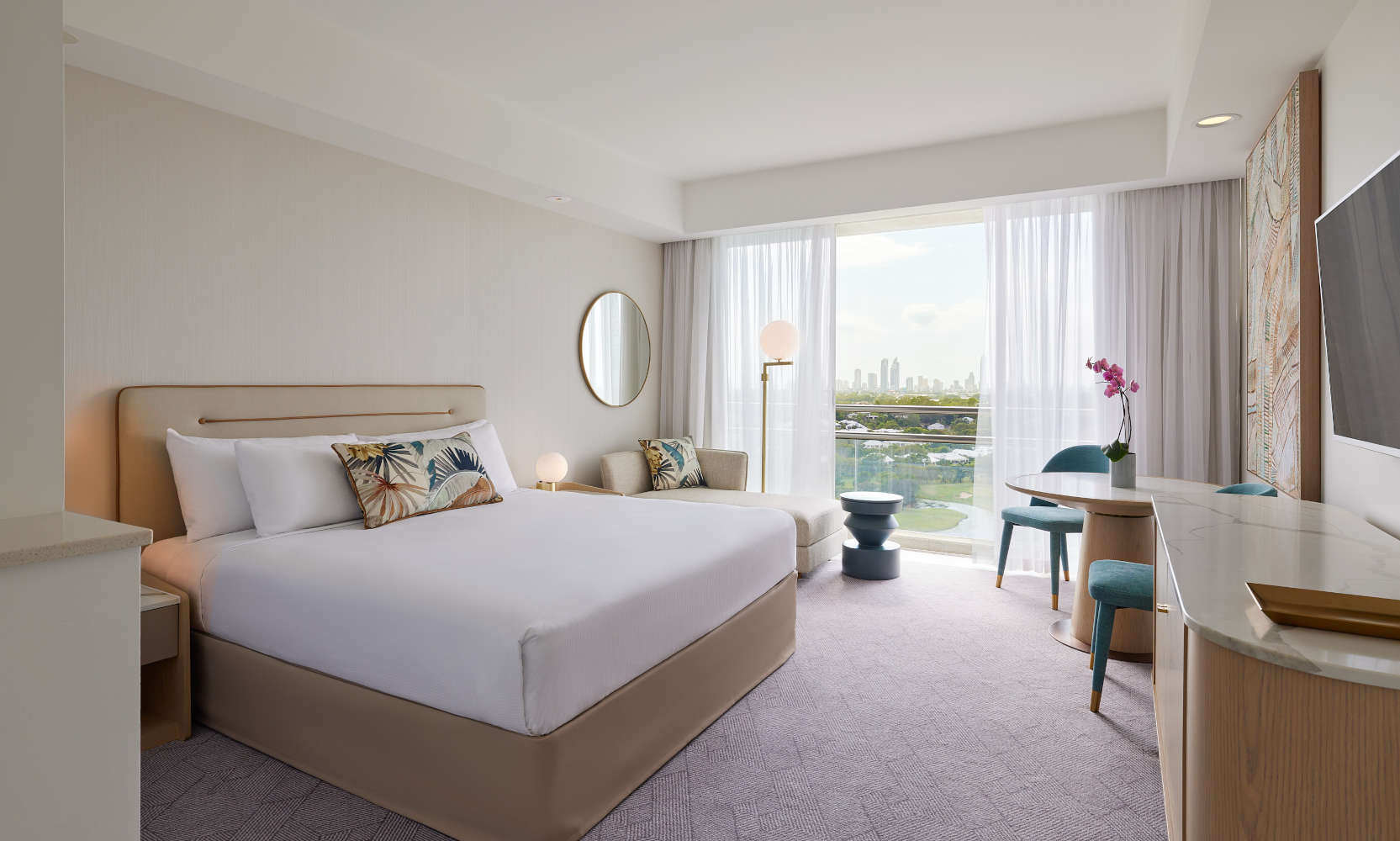
RACV Royal Pines Resort Gold Coast
Accommodation is an additional cost and can be booked during registration.
Room rates (Incl. GST)
| Room + Breakfast for One | $295 |
| Room + Breakfast for Two | $325 |
| Spa Suite + Breakfast for One | $395 |
| Spa Suite + Breakfast for Two | $425 |
Registration Options
Virtual
2 Day Program
Price: $493.90 + GST
Save $110 with Early Bird. Ends 10/08/2026.
Includes:
- Live streaming of all keynote presenters
- Live streaming of all sessions in the plenary room over two-day conference period
- Virtual presentations
- Complete online access to audio and visual presentations for 30 days*
- Over 10 hours towards CPD points
- Live online support
- Your personalised certificate of attendance
In-Person
2 Day Program
Price: $1,153.90 + GST
Save $380 with Early Bird. Ends 10/08/2026.
Includes:
- All keynote presentations
- All concurrent presentations
- Discounted accommodation rates
- Access to conference app
- Conference catering package
- Access to exclusive networking functions
- Complete online access to audio and visual presentations for 30 days post-event
- Printed conference materials
- Over 10 hours towards CPD points
- Your personalised certificate of attendance
- Exposure for your organisation
- Plus, chances to win great prizes!
In-Person Group of 3
2 Day Program
Price: $3,131.70 + GST
Save $330 with Early Bird. Ends 10/08/2026.
Includes:
- All keynote presentations
- All concurrent presentations
- Discounted accommodation rates
- Access to conference app
- Conference catering package
- Access to exclusive networking functions
- Complete online access to audio and visual presentations for 30 days post-event
- Printed conference materials
- Over 10 hours towards CPD points
- Your personalised certificate of attendance
- Exposure for your organisation
- Plus, chances to win great prizes!
Have a team of 4 or more?
Fill in this form to receive a personal call from our team with your best possible rate.