
12–13 October 2026 | Canberra on Ngunnawal Country
Yumalundi and welcome to the Indigenous Wellbeing Conference 2026
Two days of connection, learning and collective action for Indigenous wellbeing.
Record-breaking momentum, new Country
After a record-breaking conference last year in Meanjin (Brisbane), we’re honoured to be heading to Canberra on Ngunnawal Country for the very first time.
IWC26 will take place on Monday 12 and Tuesday 13 October 2026 at Hotel Realm, bringing together Indigenous leaders, practitioners, researchers, advocates and allies from across Australia, Aotearoa and the Pacific.
With over 400+ delegates attending IWC25, the Indigenous Wellbeing Conference has become a vital space for honest conversations, shared learning and practical action towards stronger social, emotional, cultural and community wellbeing.
The Canberra region has been a place of gathering for the Ngunnawal people for tens of thousands of years, with deep cultural and spiritual connections to land and water. The name Canberra comes from the Ngunnawal language, meaning meeting place, making it a fitting location to come together for learning, connection and conversation.
Indigenous-led keynotes and panels
Practical insights for community and practice
Lived experience and community voices
Wellbeing across health, policy and culture
Space to connect, reflect and recharge
About the conference
The Indigenous Wellbeing Conference (IWC) is a leading annual gathering dedicated to Indigenous-led approaches to wellbeing.
The conference centres Indigenous voices, knowledge systems and lived experience, creating a space to explore what wellbeing looks like in practice across health, mental health, education, justice, community services, culture, policy and beyond.
IWC is a place to:
- Share what is working
- Challenge what is not
- Learn from each other
- Strengthen networks across sectors and communities
Above all, IWC exists to support wellbeing that is designed by Indigenous people, for Indigenous people, grounded in culture, Country and community.
Who attends IWC?
IWC brings together a diverse and engaged community, including:
- Aboriginal and Torres Strait Islander and Māori leaders
- Community-controlled organisations and Indigenous corporations
- Health, wellbeing and mental health practitioners
- Researchers, academics and educators
- Policy-makers and government representatives
- Advocates, frontline workers and emerging leaders
Delegates come from across Australia and the Pacific, united by a shared commitment to Indigenous wellbeing in all its forms.
Why attend IWC26?
At IWC26, you will:
- Hear from leading Indigenous keynote speakers and panellists
- Take part in practical, grounded presentations and discussions
- Connect with 400+ delegates from across sectors and regions
- Build meaningful professional and community networks
- Be part of a values-led, culturally safe and inclusive space
- Leave with ideas, tools and inspiration you can take back to your work and community
What we’ll cover at IWC26
On Our Terms: Indigenous Leadership, Wellbeing, and Future
Click to expand the topics below.
1. Indigenous Leadership in Climate Adaptation and Country Protection
This topic explores how Indigenous communities are leading climate adaptation, disaster response, and long-term stewardship of Country through cultural knowledge, governance, and innovation. It recognises climate change as a wellbeing issue shaping housing, food and water security, cultural continuity, and intergenerational responsibility. Sessions highlight Indigenous-led approaches to planning, policy, and care for Country that draw on ancestral knowledge while building contemporary capability, centring strength, leadership, and continuity in climate-resilient futures.
2. Building Systems that Support Healing and Accountability
This topic examines the cumulative harms across health, justice, education, and child protection systems, and why decades of reform have failed to deliver meaningful change. Moving beyond surface level cultural safety, it focuses on accountability, safe truth-telling, and what repair looks like in practice. Sessions explore how systems can shift from consultation to responsibility, and from intent to measurable outcomes.
3. Beyond Healing: Sustaining Social and Emotional Wellbeing
Many Indigenous communities and workers carry unsustainable emotional and cultural loads. This topic shifts the focus from survival to sustainability by addressing burnout, workforce wellbeing, and the need for trauma-aware systems rather than trauma-aware individuals. It centres collective care, rest, joy, and regeneration as essential foundations for long-term social and emotional wellbeing.
4. Embedding, Scaling, & Protecting Indigenous Models of Care in Practice
This topic focuses on how Indigenous models of care are embedded, scaled, and sustained within real-world systems while protecting cultural integrity and authority. It explores challenges related to funding, commissioning, accountability, and workforce sustainability as models move beyond pilots. Sessions examine how Indigenous ownership, governance, and Indigenous-defined measures of success support longevity and impact, and how cultural authority can be maintained as reach expands.
5. From Consultation to Consent: Restoring Community Authority in Decision-Making
This topic challenges consultation models that extract Indigenous knowledge while institutions retain control. It examines how decision-making authority can shift from governments and organisations back to Indigenous communities through consent, refusal, and veto as legitimate outcomes. Sessions address consultation fatigue, extractive co-design, and the importance of community-led timelines and priorities, centring participation defined by authority and control, not presence alone.
6. Lore, Statutory Law and Human Rights in Practice
This topic explores how Indigenous self-determination is exercised through Indigenous LORE, community governance, and engagement with statutory law and human rights frameworks. It examines the relationship and tension between cultural authority and state-based legal systems, and how rights are upheld or constrained in everyday settings such as health, justice, land management, and child protection. Sessions focus on community-led governance beyond legislation and sustaining momentum without exhausting communities through constant advocacy.
7. Education for Influence: Indigenous Pathways to Leadership and Decision Making
This topic reframes education as an Indigenous-led pathway to influence, leadership, and collective decision-making. It explores intergenerational learning, youth voice with care and consent, and education as a space for truth-telling, accountability, and repair. Sessions challenge checklist approaches to cultural safety and examine how education systems, under Indigenous guidance, can support agency, purpose, and long-term wellbeing.
8. Economic Sovereignty and Collective Prosperity
This topic moves the conversation from economic participation to ownership, control, and collective wealth. It explores Indigenous-led economic models grounded in culture and values, including procurement, supply chains, entrepreneurship, and digital enterprise. Sessions highlight how economic futures can strengthen community wellbeing when they prioritise sovereignty, sustainability, and shared prosperity over growth alone.
9. The Role of Culture, Arts and Story in Community Strength
This topic positions culture as foundational infrastructure for wellbeing, prevention, and continuity across generations. It explores how arts, storytelling, language, ceremony, and collective memory function as living systems of care, strengthening identity and belonging across Elders, adults, rangatahi or taiohi, and tamariki. Sessions highlight intergenerational models that transmit knowledge and cultural authority, and examine how Indigenous cultural and intellectual property is protected from misuse, misappropriation, and commodification across systems.
10. Reimagining Otherwise: Indigenous Futures Beyond Current Systems
This topic creates space to imagine Indigenous futures not limited by broken systems or inherited constraints. It centres Indigenous-led visions grounded in refusal, redesign, and radical imagination, asking what wellbeing systems and narratives might look like if built from Indigenous worldviews from the ground up. Sessions focus on strengthening Indigenous authority over future-making, including control of data, knowledge systems, technology, and narrative framing, to protect intellectual property and disrupt deficit narratives.
11. From Distress to Strength: Indigenous Approaches to the Primary Prevention of Mental Distress
This topic focuses on how Indigenous knowledges, relationships, and place-based practices prevent mental distress long before crisis or diagnosis. It explores primary prevention designed and led by Indigenous communities, centring culture, land, language, collective responsibility, and social determinants of wellbeing. Sessions highlight how whānau, hapū, iwi, Pacific peoples, and other Indigenous communities are shifting systems upstream into everyday settings, and how investment, measures of success, and workforce roles can be reoriented toward prevention grounded in Indigenous worldviews.
12. Cultural Workshop
As part of the 2026 Indigenous Wellbeing Conference program, we are also seeking expressions of interest for Cultural Workshops such as basket weaving, song or dance and cultural arts and crafts. For more information see the Conference Themes.
Keynote Speakers
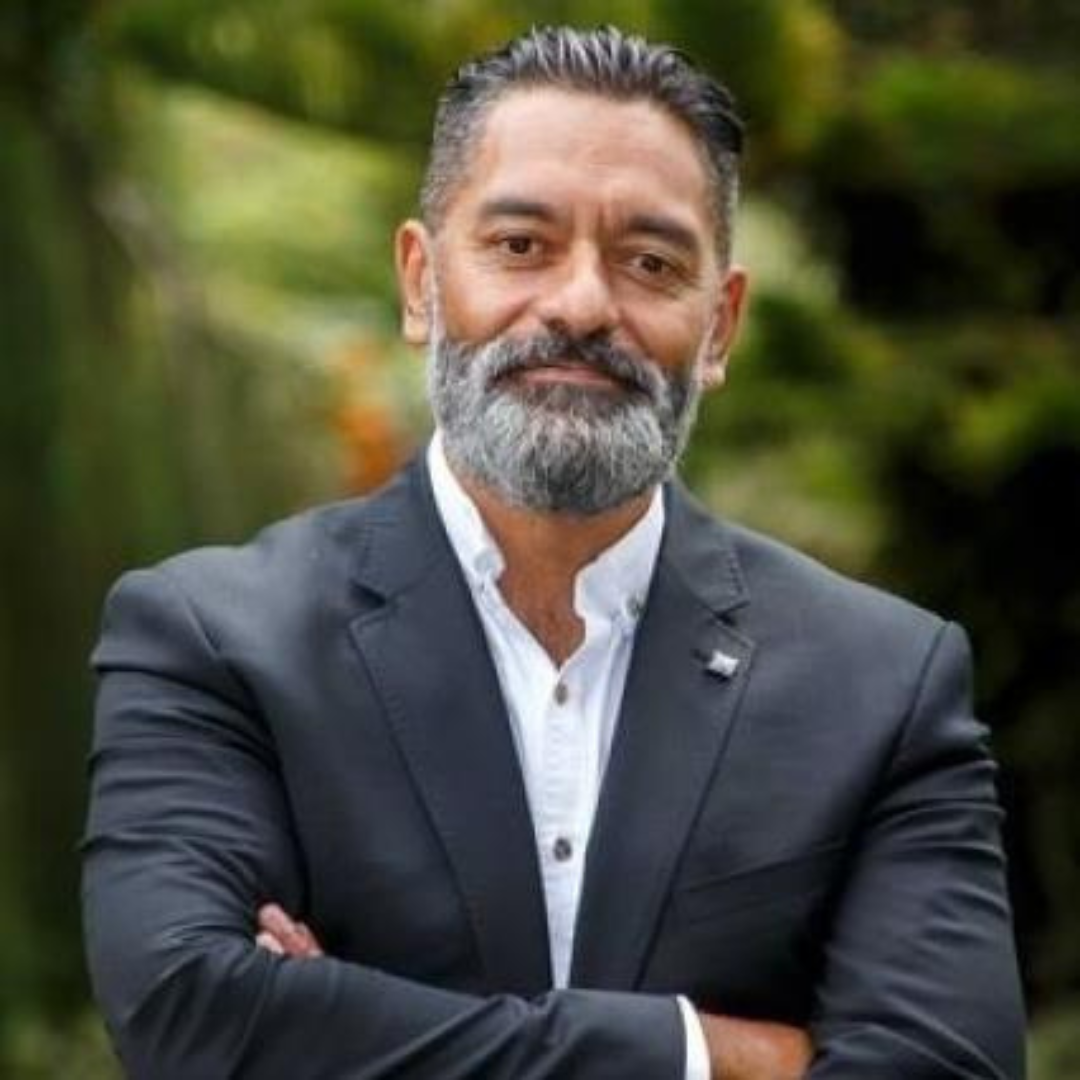
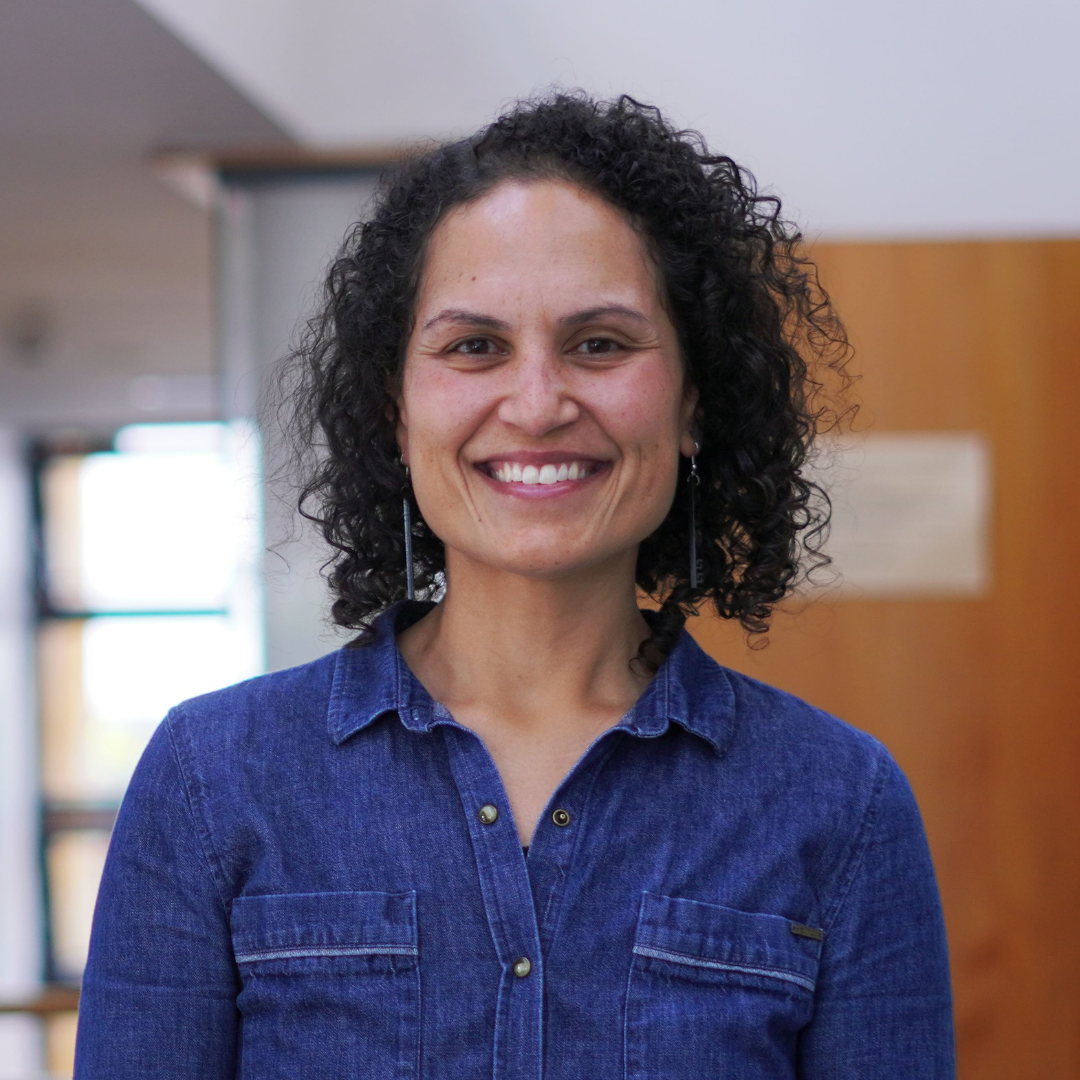
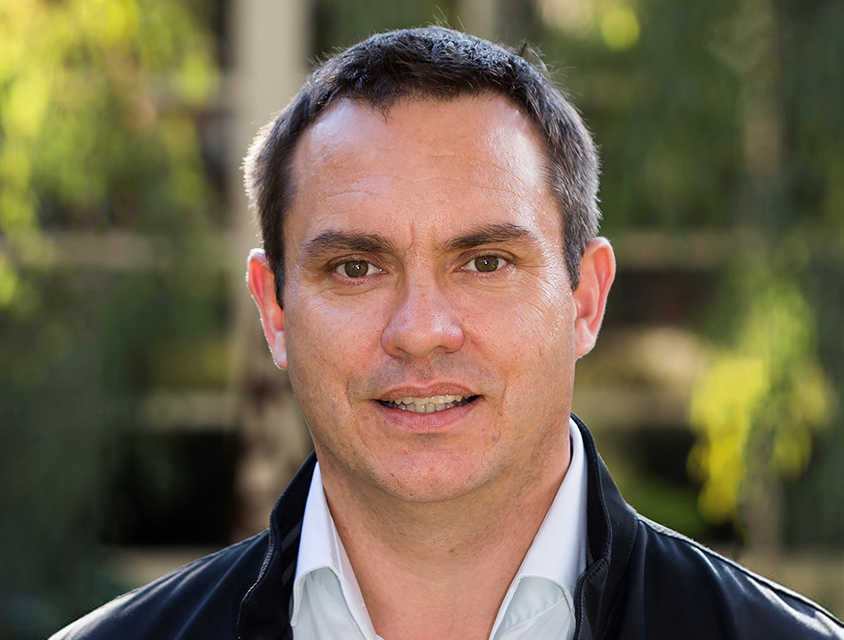

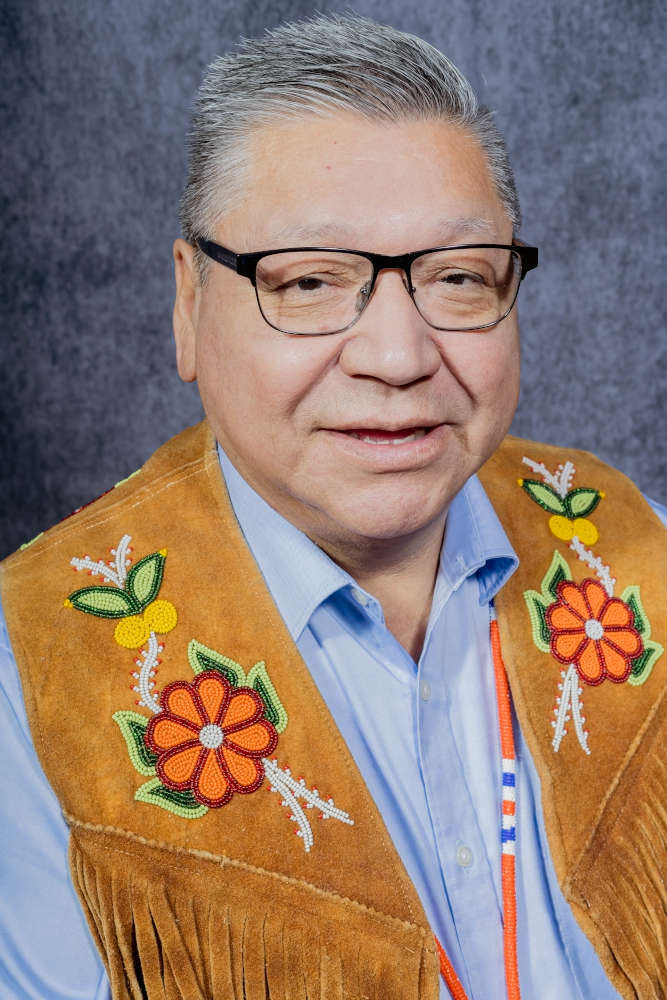
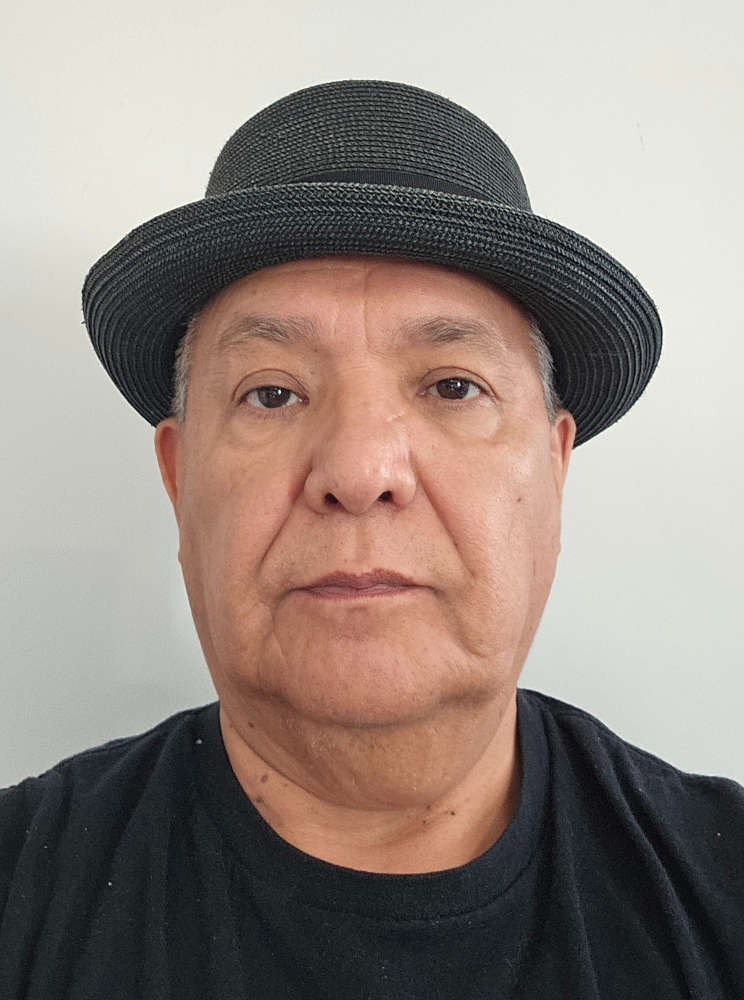
Lyle Whitefish
Band Administrator, Witchekan Lake First Nation in central Saskatchewan, (Creenation people)
Join us in Canberra on Ngunnawal Country
This will be the first time the Indigenous Wellbeing Conference is held in Canberra on Ngunnawal Country, and we’re honoured to gather on this land.
Canberra is a place of deep cultural significance, political influence and growing Indigenous leadership. It offers a powerful setting for conversations about systems, policy, community and the future of Indigenous wellbeing.
We look forward to gathering with you on Country for two days of learning, connection and collective reflection.
Join us for IWC26
12–13 October 2026 | Canberra on Ngunnawal Country
The IWC Committee
The sector leaders who are behind the 2026 IWC conference
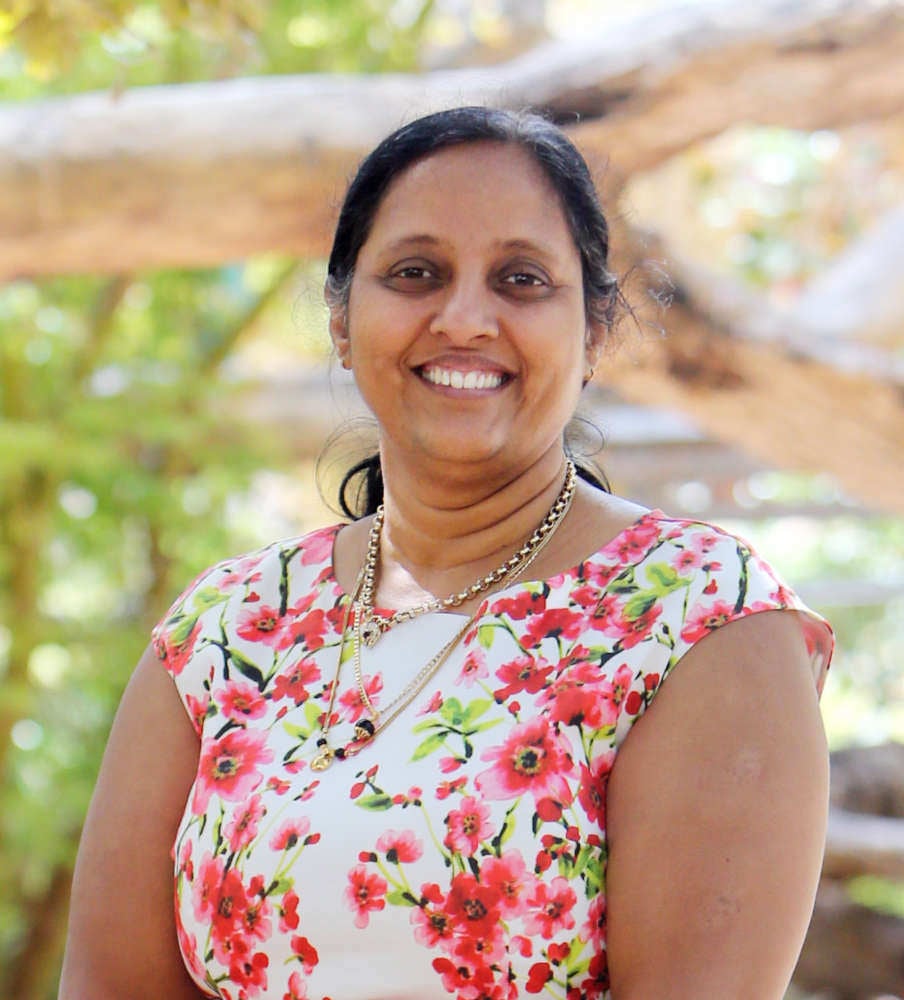
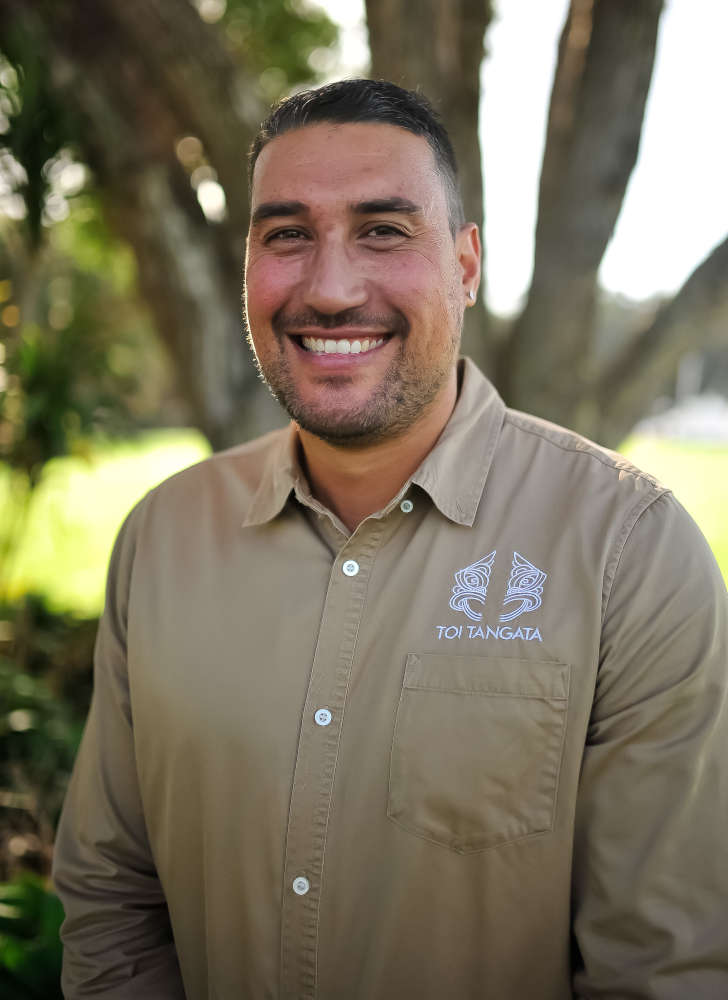
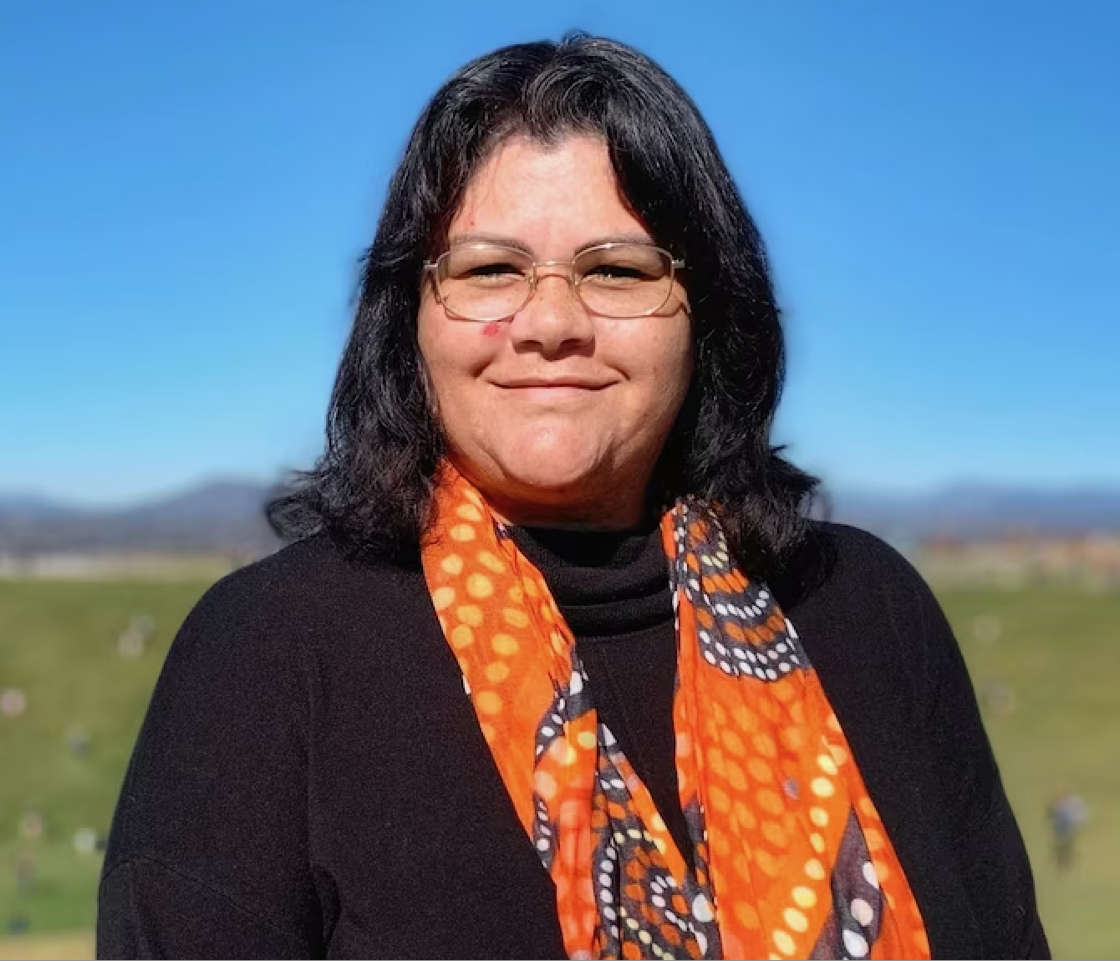

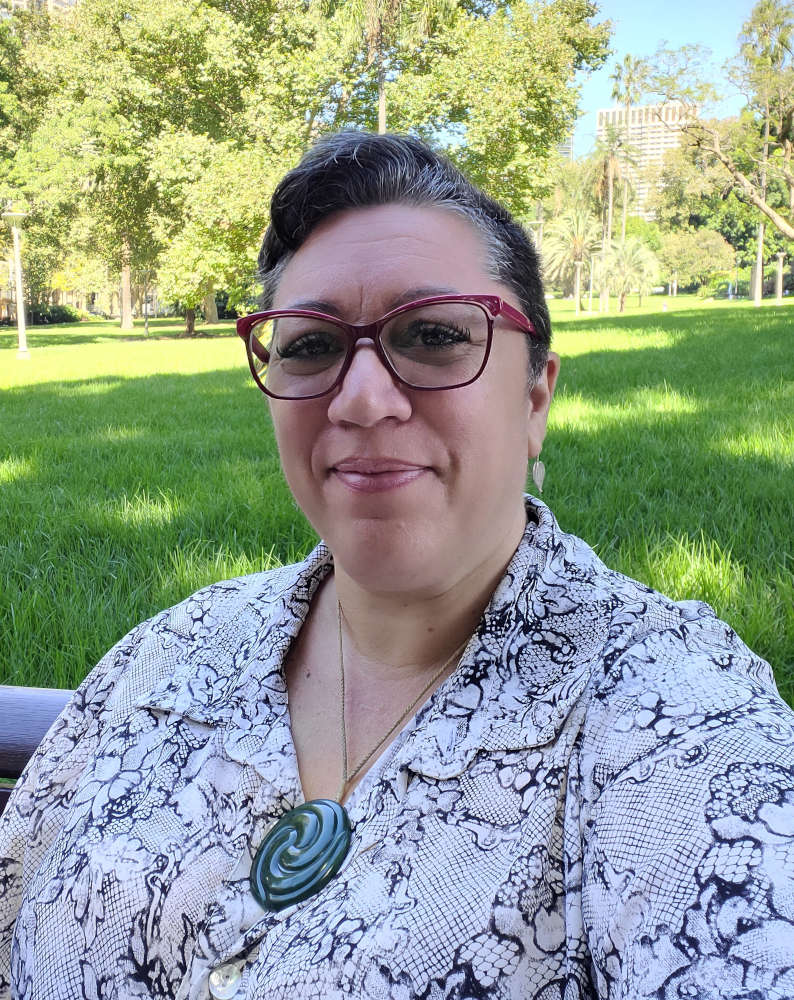
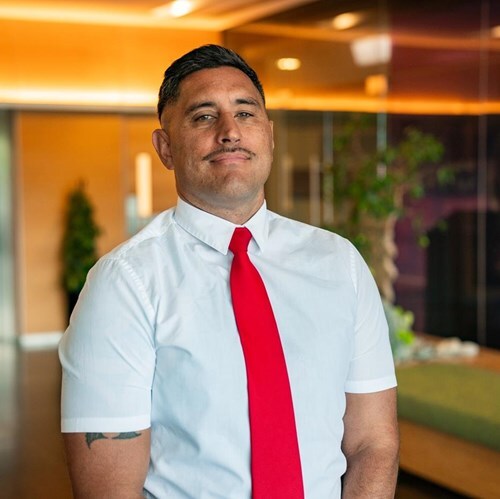
Claudia Leigh Faletolu
Indigenous Wellbeing, Organisational Development & Strategy Consultant
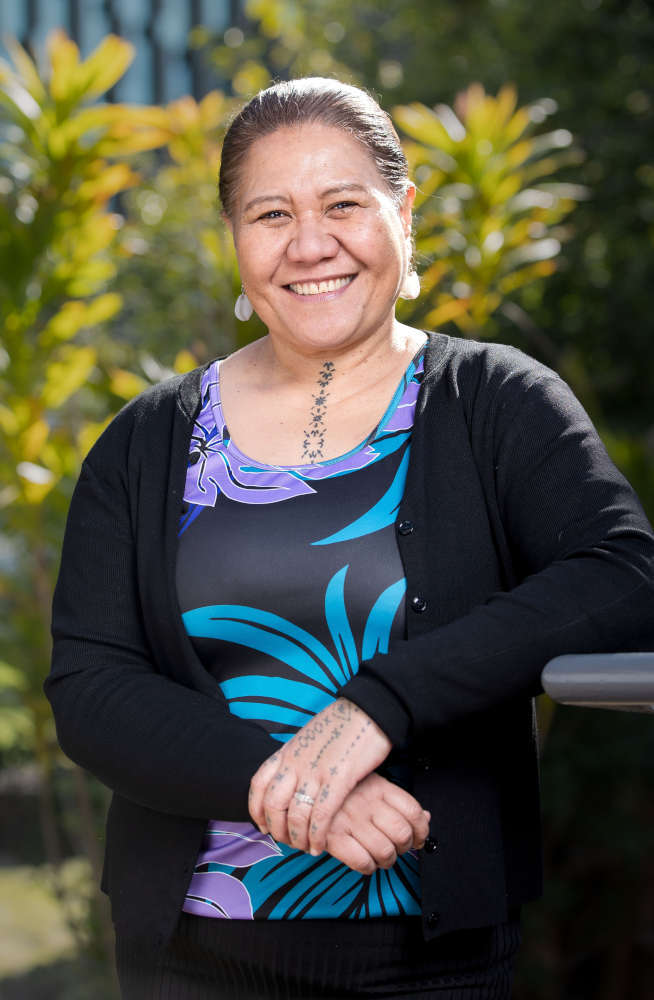
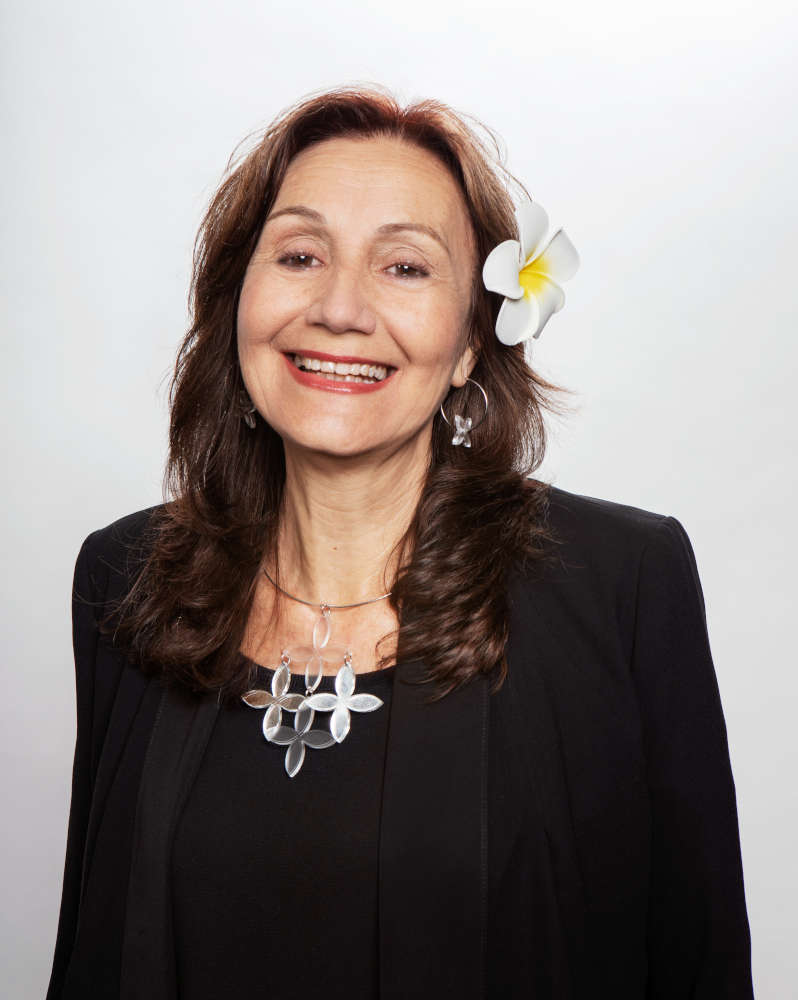
Professor Jemaima Tiatia-Siau
Pro Vice-Chancellor Pacific, Waipapa Taumata Rau, University of Auckland

Lazariah Nona
Thursday Island Neighbourhood & Community Centre Coordinator, Mura Kosker Sorority
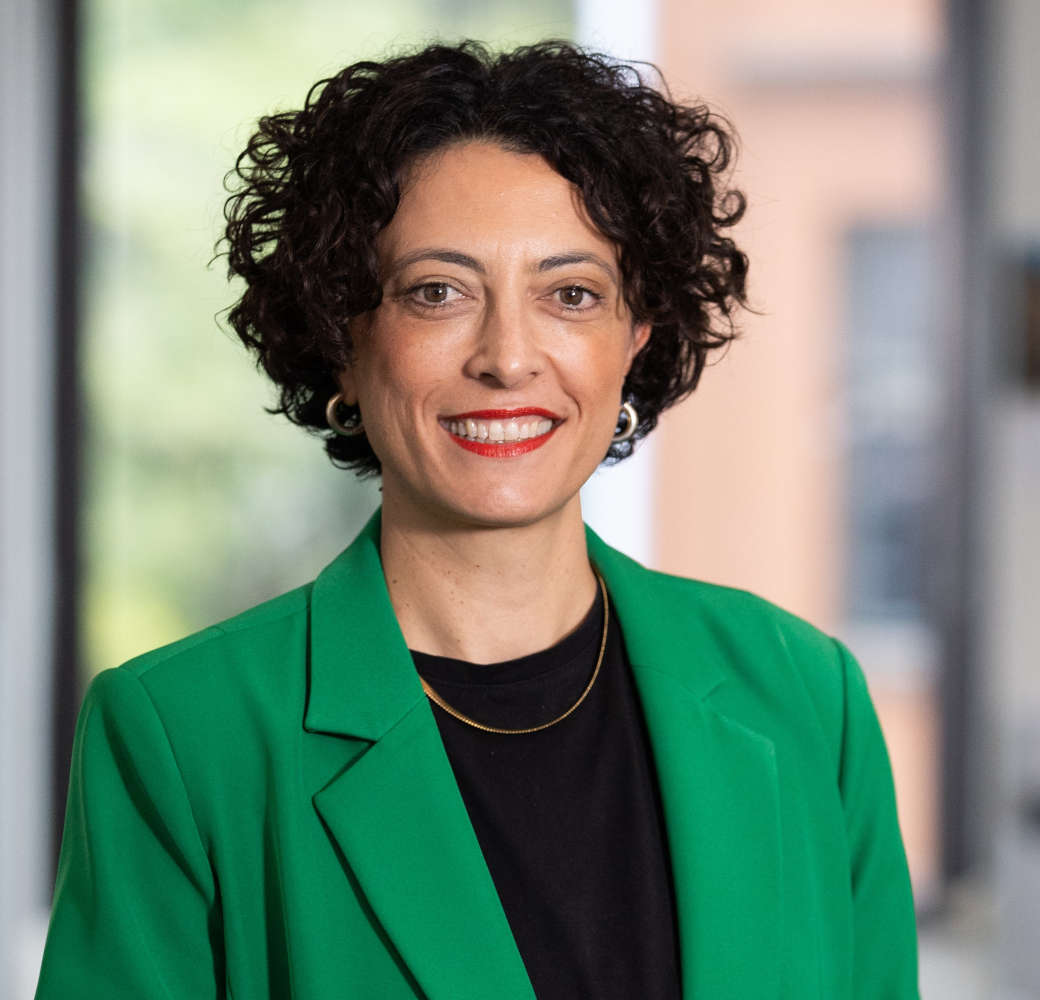
Dr Ella Cullen
Director, Wellbeing System Leadership, Data and Insights
Te Hiringa Mahara – Mental Health and Wellbeing Commission NZ
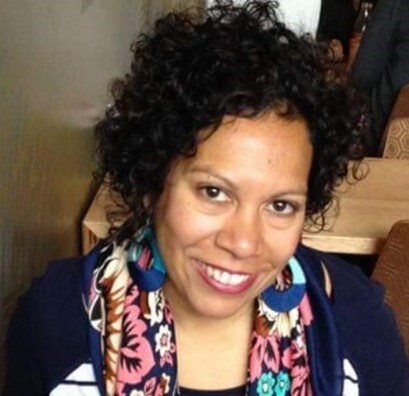
Bobby Maher
Research Fellow, Yardhura Walani Centre, National Centre for Epidemiology and Population Health, Australian National University (ANU)

Melissa Johnson
Cultural Strategic Facilitator, Indigenous Policy and Programs, Australian Medical Council

Join us
Registration Options
$549 + GST
Virtual | 2 Day Program
- Live streaming of all keynote presentations
- Live streaming of all sessions in the plenary room over two-day conference period
- Virtual presentations
- Complete online access to audio and visual presentations for 30 days
- Over 10 hours towards CPD points
- Your personalised certificate of attendance
$1,394 + GST
In-Person | 2 Day Program
- All keynote presentations
- All concurrent presentations
- Discounted accommodation rates
- IWC26 Polo Shirt
- Access to conference app
- 5-star conference catering package
- Access to exclusive networking functions
- Complete online access to audio and visual presentations for 30 days post-event
- Printed conference materials
- Over 10 hours towards CPD points
- Your personalised certificate of attendance
- Exposure for your organisation
- Plus, chances to win great prizes!
$3,852 + GST
In-Person Group of 3
- All keynote presentations
- All concurrent presentations
- Discounted accommodation rates
- IWC26 Polo Shirt
- Access to conference app
- 5-star conference catering package
- Access to exclusive networking functions
- Complete online access to audio and visual presentations for 30 days post-event
- Printed conference materials
- Over 10 hours towards CPD points
- Your personalised certificate of attendance
- Exposure for your organisation
- Plus, chances to win great prizes!
IWC provided the opportunity for safe and open conversation and connection. Which was achieved from my perspective. That there is massive movement of congruent direction in First Nations wellbeing to empower and enshrine culture at the heart of wellbeing!
Absolutely do it. You will leave feeling a new or reclaimed sense of self and empowered to take on your work and the world!
I highly recommend this conference to anyone interested in Indigenous wellbeing.
Go! It is an amazing experience to connect with like minded people. The conference presenters are diverse and well practiced and you will learn a lot from them. The country is beautiful and the people friendly and warm.
Such a great experience, lots to learn. I would to say to anyone thinking of attending: absolutely get ready to soak up some amazing inspiration.
The conference was excellent, the speakers were great and informative, and I really enjoyed the range of presentations both keynote and breakout.
I though the conference was great! It was relevant to my role and I felt like my cultural cup was full by the time day two was finished. I needed this conference - it can be isolating as an Aboriginal person working in Government.
Take the opportunity to attend it is awesome!
Have a team of 4 or more?
Complete this form to receive a personal call from our team with your best possible rate.
IWC26 Polo Shirt
All delegates will receive a polo shirt as part of their full conference registration. These will be available for collection at the conference.
Note, if you are registering after July 31, there may be limited sizing to select from.
Venue
Hotel Realm Canberra, 18 National Circuit, Barton ACTAccommodation
We are pleased to offer IWC26 delegates access to discounted accommodation rates at Hotel Realm and Burbury Hotel & Apartments.
The following rates are only available when you book your accommodation via the online registration portal or direct through the conference secretariat.
Hotel Realm Canberra
18 National Circuit, Barton ACT
Prices are in AUD and include GST.
| Rate | |
| Realm Room excluding breakfast | $260 per night |
| Realm Room including breakfast for one guest | $304 per night |
| Realm Room including breakfast for two guests | $348 per night |
| Realm Suite excluding breakfast | $290 per night |
| Realm Suite including breakfast for one guest | $334 per night |
| Realm Suite including breakfast for one guest | $378 per night |
Burbury Hotel & Apartments
1 Burbury Close Barton ACT
Prices are in AUD and include GST.
| Rate | |
| Burbury Room excluding breakfast | $270 per night |
| Burbury Room including breakfast for one guest | $314 per night |
| Burbury Room including breakfast for two guests | $358 per night |
Sponsors

DESTINATION PARTNER

PLATINUM & NETWORK SPONSOR

PLATINUM SPONSOR
.jpeg?width=73&height=80&name=Akeyulerre_Primary_Logo_RGB%20%5BHC%5D%20(5).jpeg "Akeyulerre")
PLATINUM SPONSOR
GOLD SPONSOR
SILVER SPONSOR

BRONZE SPONSOR

SHOWCASE EXHIBITOR

INDIGENOUS STALL HOLDER

INDIGENOUS STALL HOLDER

INDIGENOUS STALL HOLDER
.jpg?width=59&height=60&name=MJs%20Logo%20(002).jpg "MJs")
INDIGENOUS STALL HOLDER

INDIGENOUS STALL HOLDER

SHOWCASE EXHIBITOR

SHOWCASE EXHIBITOR

INDIGENOUS STALL HOLDER
Get In Touch