
Present at SDV26
What to present at SDV26
Share research, practice models, implementation learnings and system insights
The committee is seeking presentations that go beyond awareness to show what works, what fails, and how we implement change across systems.
Applications to present in 2026 are now closed.
We’re looking for
Building Safer Futures: System Transformation, Structural Change and Measurable Impact
1. Prevention & Response With Impact: Promising and Emerging Approaches
This stream explores emerging and promising approaches to preventing and responding to domestic and family violence through whole-of-community and public health strategies. Drawing on research and practice across gender-transformative initiatives, respectful relationships education, early intervention and population-level approaches — including alcohol policy and regulatory levers — sessions will examine what current evidence suggests about sustainable implementation and cultural change. The focus is on strengthening prevention and responses across families, schools, workplaces and communities, including bystander approaches and strategies that reach people beyond formal service systems, while building long-term, system-wide capacity for impact.
2. Practical Safety and Lethality Prevention
Centred on saving lives, this stream examines research, policy and practice insights to strengthen risk assessment and safety responses in complex contexts. It explores factors associated with heightened risk, including lethality indicators, strangulation, post-separation danger, digital surveillance and ongoing contact in the context of coercive control. It also considers practical strategies such as risk assessment frameworks, escalation pathways and safety planning tools. Drawing on emerging evidence, system learning and real-world experience — including but not limited to serious incident reviews — sessions aim to enhance early identification and coordinated responses to prevent the most severe harms.
3. Children and Young People as Victims in Their Own Right
Recognising children and young people as victims of domestic and family violence in their own right, this stream centres their lived experience, safety and recovery. It examines the developmental and psychological impacts of exposure to violence, adolescents’ use of violence in the home, and the growing risks of digital sexual harm. The stream prioritises child-centred system responses, meaningful inclusion of children’s voices in co-designing services and supports, and partnerships that strengthen the non-offending parent while promoting long-term safety and wellbeing.
4. Systems Abuse and Social Entrapment: Institutional Harm & Reform
This stream examines how legal, service and institutional systems can be manipulated as extensions of coercive control, extending harm well beyond separation. It explores systems abuse across family law, child protection, policing and other institutional decision-making, including forced unsafe contact and prolonged conflict. Sessions bring together judicial, practitioner, policy and lived experience perspectives to examine accountability, trauma-informed institutional practice, and the real-world impact of recent and proposed reforms.
5. Accountability and Behaviour Change with People Who Use Violence
Focused on responsibility and risk, this stream explores evidence-informed approaches to holding people who use violence accountable for their behaviour. It examines differentiated intervention pathways, monitoring and compliance mechanisms, and approaches to addressing the role of mental health and substance use within a framework that keeps safety central. Attention is given to trauma-sensitive engagement, the intersection of violence with adverse childhood experiences, suicidality and structural vulnerabilities, and to strengthening accountability at both the individual and system level — moving beyond standalone programs toward integrated, risk-based responses.
6. Co-occurring Complexity: DFV, Mental Distress, AOD and Child Protection
This stream addresses the realities of working at the intersection of domestic and family violence, mental distress, alcohol and other drug use, and child protection involvement. It examines how these issues present differently across gender and for victim-survivors, people who use violence, and those with overlapping experiences. The focus is on integrated, safety-first practice models that avoid punitive responses, strengthen help-seeking and collaboration across systems, and build workforce capability to respond to complexity while protecting survivors and children.
7. Technology-Facilitated and Online Abuse
As technology becomes central to coercive control, this stream examines the evolving risks of technology-facilitated abuse and online harm. It explores cyberstalking, smart home surveillance, Artificial Intelligence (AI)-enabled abuse, and the impact of emerging technologies on safety, privacy and autonomy. The stream also considers the responsibilities of platforms and technology providers, positive uses of technology in prevention and response, and practical strategies for supporting survivors in navigating digital harm.
8. Housing and Financial Safety: Pathways to Stability
Housing and financial security are critical foundations for safety and recovery, and this stream addresses the structural barriers that keep people trapped in violence. It examines the links between domestic and family violence, homelessness and economic abuse, as well as financial dependency, gendered economic inequality and disempowerment, including coerced debt, rental discrimination and regional housing shortages. Sessions focus on cross-sector solutions that strengthen financial safety and housing stability, supporting survivors to move from crisis to long-term independence and security.
9. Inclusion, Equity and Access Across the DFV System
This stream centres equity, access and culturally safe responses across the domestic and family violence system. It explores how intersecting identities, structural barriers and systems of privilege shape experiences of violence, help-seeking and accountability — including for First Nations peoples, culturally and linguistically diverse communities, people with disability, LGBTIQA+ communities, older people, and those in rural and remote areas. Particular attention is given to migration-related coercive control, visa insecurity, and system responses that too often exclude or fail those most at risk.
10. Violence as a Health Issue: Prevention, Identification and Response
Domestic and family violence is both a cause and consequence of significant health inequities, and this stream examines the role of the health system in prevention, early identification and response. It explores the short- and long-term physical and mental health impacts of violence, including reproductive coercion and sexual violence, as well as the responsibilities of primary care, emergency, maternity, mental health and community health services. Sessions consider trauma-informed and culturally safe practice, routine enquiry and safe disclosure pathways, cross-sector collaboration, and system-level reform to ensure health settings are equipped to identify risk, support recovery and contribute meaningfully to safety and accountability.
We know this work is heavy and mentally taxing, so any stories or presentations of hope, resilience or healing, we want to know about it, and so do your peers.
Presentation Styles
Oral Presentation
Take to the stage and present to the audience in a 15 or 25 minutes speaking session with 5 minutes for questions.
Workshop Presentation
Keep the attention of attendees via engaging, hands-on learning experience in a 60-minute workshop.
Panel Presentation
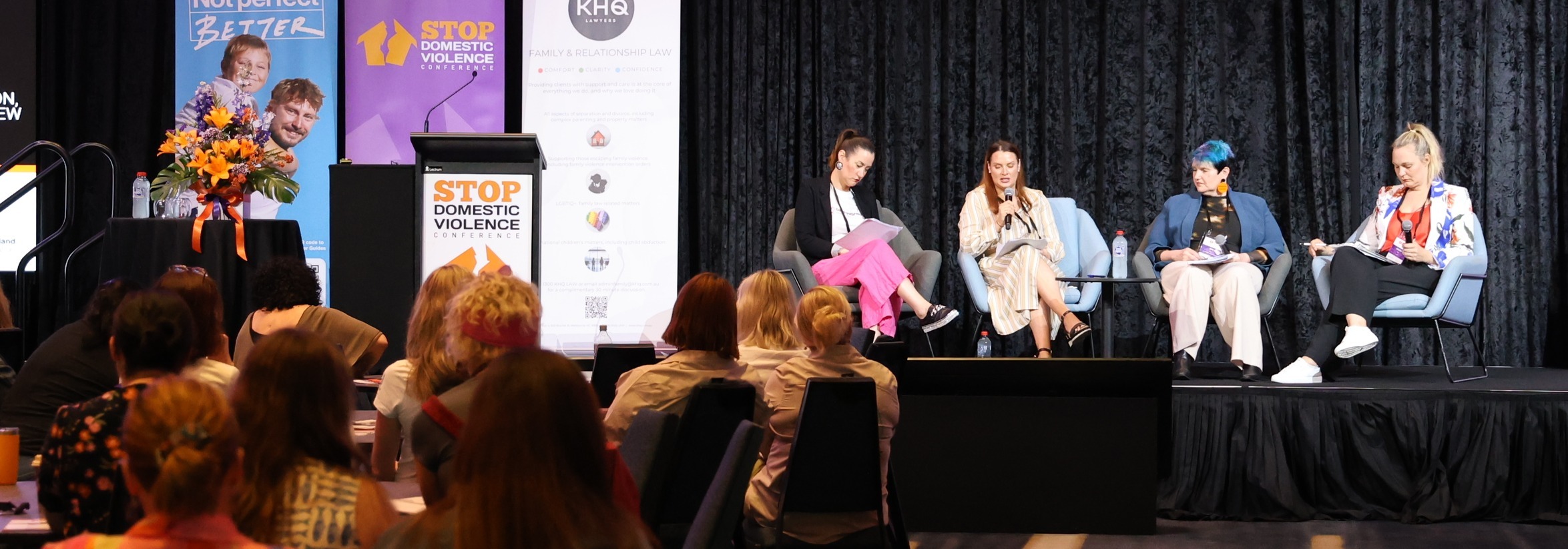
Panel presentations bring together views from a group of presenters into a discussion of innovative ideas, current topics, and relevant issues. Each panel session will run for 60 minutes and will consist of at least 3 panel members.
Poster Presentation
Visually showcase your research or services via a printed poster, displayed in the conference exhibition area for the duration of the conference. A dedicated 30 minute poster session is included in the conference program. Posters also displayed virtually to e-delegates.
Important Dates
| Presenter Applications Closing | Friday 29 May 2026 |
| Notification to Authors | Tuesday 23 June 2026 |
| Presenter Acceptance and Registration Due | Tuesday 30 June 2026 |
| Program Launch | Tuesday 7 July 2026 |
| Scholarship Applications Close | Friday 9 October 2026 |
| Early Bird Closes | Friday 9 October 2026 |
| Last Minute Registrations | Saturday 14 November 2026 |
| Conference Dates | Monday 23 - Wednesday 26 November 2026 |