
Monday 23 – Wednesday 25 November 2026
Canberra, ACT
STOP Domestic Violence Conference
Join Australia’s leading family, domestic and sexual violence sector conference as we move beyond reform talk and into real-world implementation, strengthening safety, accountability, prevention and measurable impact across the sector.
WELCOME
In 2026, the STOP Domestic Violence Conference heads to Canberra, at the heart of national decision-making and the start of the 16 Days of Activism. This is where frontline expertise, survivor leadership, and policy reform meet the practical realities of implementation.
SDV26 will bring together practitioners, researchers, advocates, government, legal and service system leaders to confront what safety actually requires: risk and lethality prevention, system accountability, culturally safe and inclusive responses and coordinated implementation at scale.
This year is designed for sector professionals who want solutions that work in real settings, with measurable outcomes.
The SDV Mission
Join SDV26 and you can:
- Be part of the national conversation in Canberra - where change becomes reality.
- Strengthen practical safety responses, risk frameworks and lethality prevention tools.
- Learn what implementation looks like across systems: health, justice, housing, child protection and community services.
- Explore evidence-informed accountability and behaviour change approaches that keep survivor safety central.
- Hear lived experience leadership and co-design that drives better policy and better practice.
- Bring back practical strategies and frameworks your team can implement immediately.
SDV is a platform where policy, practice and lived experience intersect, enabling government initiatives to be shared, tested and strengthened by the people delivering services in community. To save lives, we must build systems that are coordinated, culturally safe, inclusive, accountable - and implementable.
Keynote Speakers
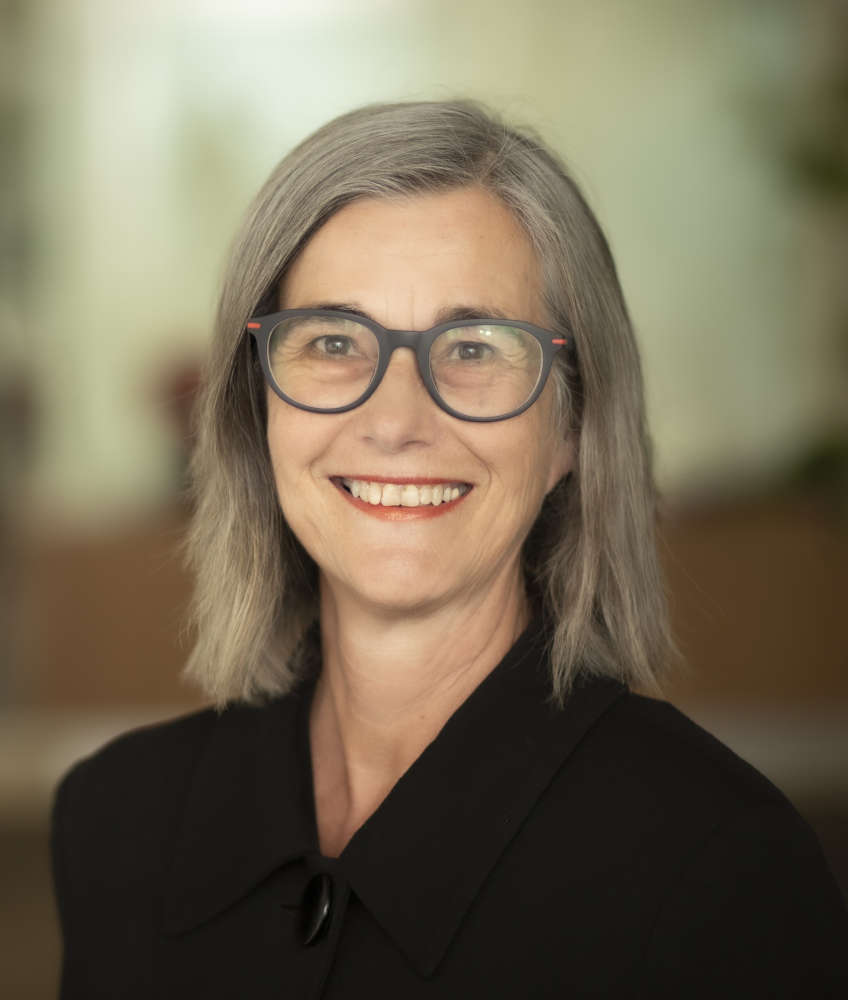
Professor Kelsey Hegarty
Professor of Family Violence Prevention, University of Melbourne and Royal Women's Hospital
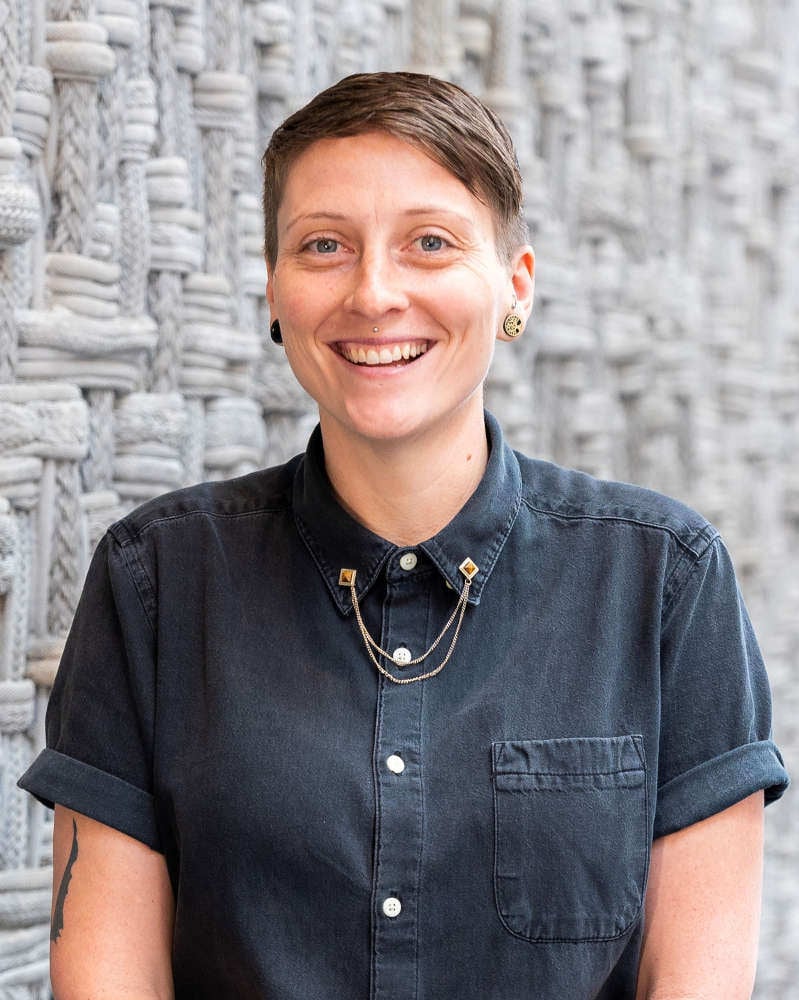
Kai Noonan
Director of Sexual, Domestic and Family Violence Prevention at LGBTIQ+ Health Australia
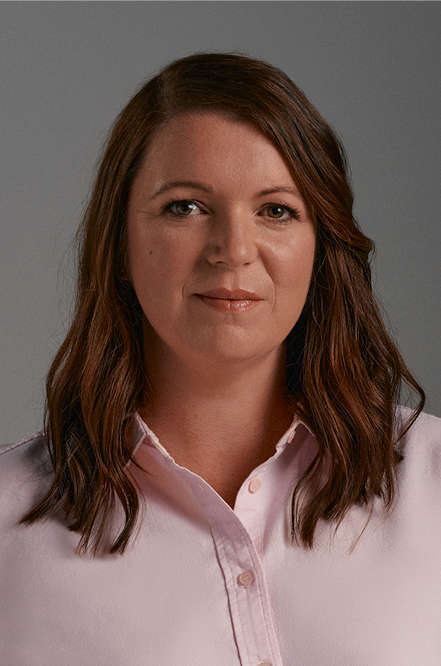

Professor Heather Douglas AM FASSA
Deputy Director, ARC Centre of Excellence for the Elimination of Violence Against Women (CEVAW)
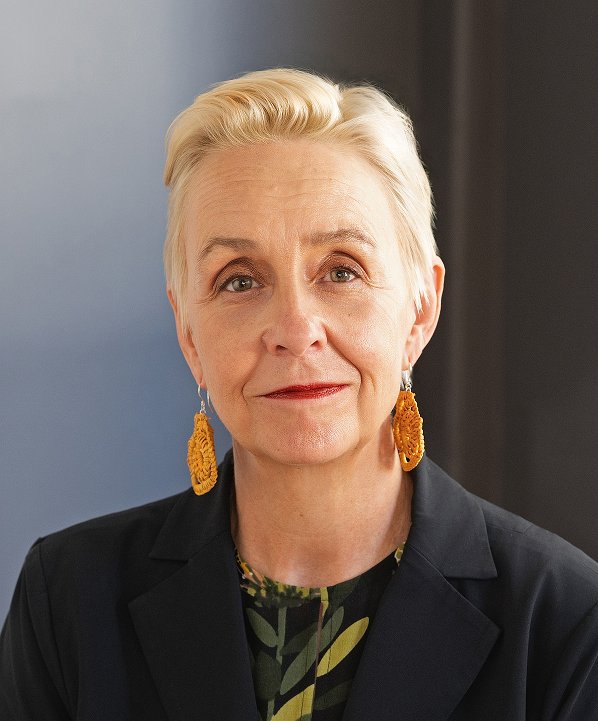
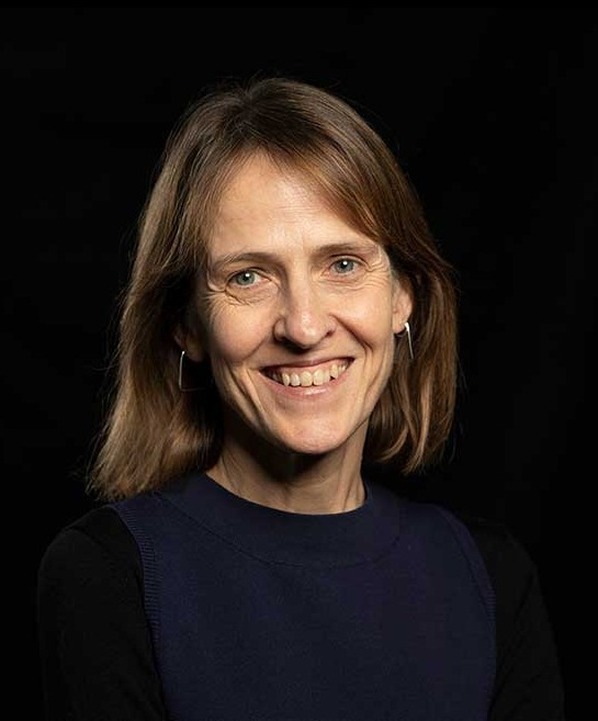
Commissioner Micaela Cronin
Commissioner, Domestic, Family and Sexual Violence Commission


- Does this sound like you?
- Is SDV for you?
- What will you gain from attending?
- The experience (social + wellbeing)
Who attends SDV?
Does this sound like you?
Here’s a snapshot of delegates who typically attend SDV:
SDV brings together a powerful cross-section of the DFV ecosystem, people working on the frontline, in leadership, in policy and systems.
Delegates include:
- Executive & Senior Leadership: CEOs, Directors, Executive Officers, Program Directors and senior decision-makers
- Senior Management & Operational Leaders: Managers, Team Leaders, Service Managers, Program Managers
- Professional & Specialist Workforce: Social workers, counsellors, clinicians, Aboriginal DFSV support workers, AOD specialists, disability advocates, legal practitioners, training/consultants
- Government & Justice System: Police, corrective services, legal aid, family law professionals, specialist courts, policy and departmental leaders
- Community Services: Refuges, shelters, emergency housing, health services, child and family services, youth services, regional services
- Research & Academia: researchers, lecturers and practitioner-researchers
- Lived Experience Leaders & Advocates
If you’re wondering whether this is for you
Is SDV for you?
SDV is for you if you’re looking for…- Implementation-ready strategies (not just theory) that you can apply in your setting.
- Practical tools for risk assessment, safety planning and coordinated responses.
- Evidence-informed approaches to accountability and behaviour change.
- Cross-system insights across health, justice, housing, child protection, AOD and mental health.
- Learning alongside other leaders who are shaping policy, service models and practice on the ground.
- A space to step back from the intensity of the work, reconnect with purpose, and return with clarity.
SDV26 is designed for professionals who want depth. Sessions are curated for real-world complexity, system coordination, and measurable impact.
Walk away with these learnings
What will you gain from attending?
SDV is the conference where reform becomes real.
Here’s what you’ll take away from three days at SDV26 in Canberra:
- Clear frameworks for turning policy into practical, coordinated implementation.
- Practical approaches to lethality prevention, escalation pathways and early identification.
- Insights into systems abuse and institutional reform across family law, policing, child protection and service systems.
- Tools and models to respond to complexity: DFSV + AOD + mental distress + child protection involvement.
- Leading practice in technology-facilitated abuse, including emerging risks and platform accountability.
- Stronger confidence, strategy, and a clear next-step plan for your work and your organisation.
You’ll also have:
- 30-day access to recorded keynote sessions
- 30-day access to recorded concurrent sessions (if applicable)
- Event materials + app access
- CPD hours + certificate of attendance
The experience
The experience (social + wellbeing)
This work is heavy - SDV supports the people who do it.
SDV is designed to sustain you as well as skill you. Expect:
- Intentional networking experiences for real connection
- A wellbeing and reflection program to support delegates throughout the event
- Quiet spaces to reset (Wellness Zone / decompression spaces)
- Optional guided experiences (walking tour / craft / cultural elements)
- Strong onsite catering to support energy across the days
Why SDV is the one conference to attend
Why the STOP Domestic Violence Conference is the one sector conference to attend
- The leading sector conference in the Asia/Pacific region - bringing together frontline practitioners, policy-makers, service leaders, researchers and lived experience.
- A rare national convening that connects systems: health, justice, child protection, housing, community and government.
- A strong focus on culturally safe and inclusive responses: First Nations leadership, disability access, LGBTIQA+ safety, CALD communities, and rural/remote realities.
- A program built for real-world complexity, moving beyond awareness to implementation and measurable outcomes.
- 10+ CPD hours and 30-day replay access to support workforce capability.
Committee

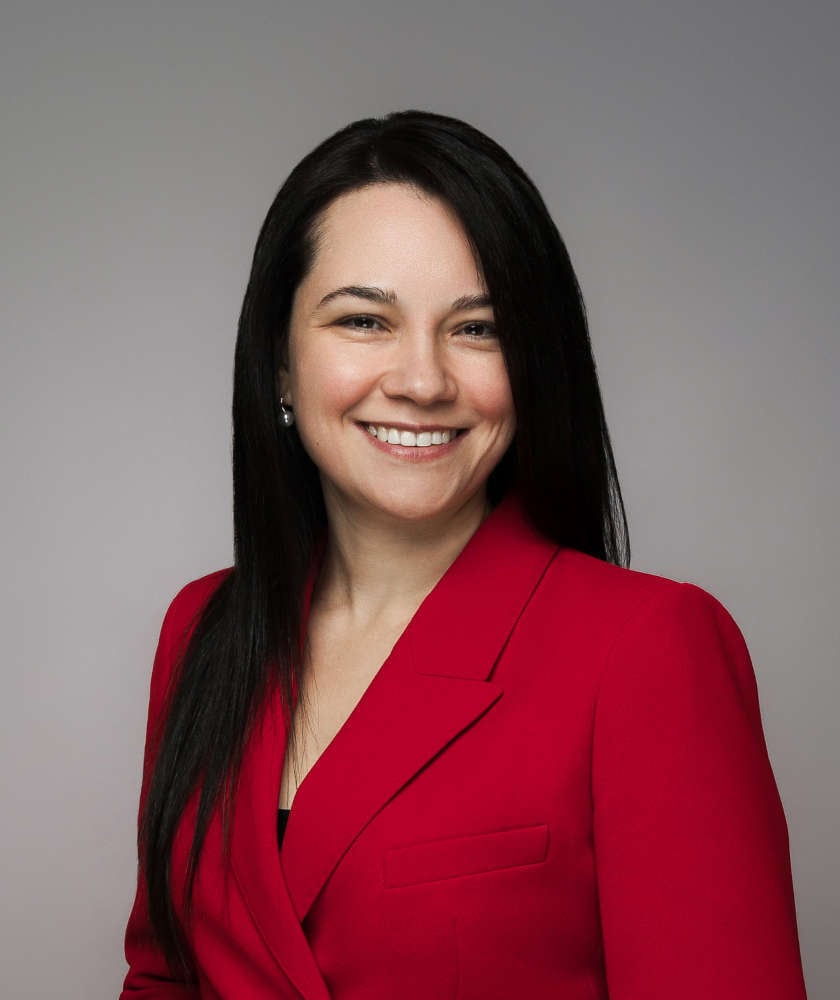
Katherine Berney
Director Prevention of Gender Based Violence, Foundation for Alcohol Research and Education

Ged Franzmann
Research & Evaluation Coordinator, The Man Cave | PhD Candidate, Flinders University
%202.jpg?width=1280&height=1920&name=Patrick%20O%E2%80%99Leary-12-Edit%20highres(1)%202.jpg)

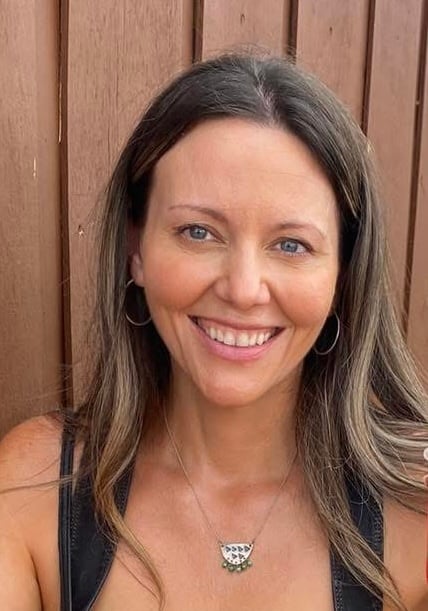

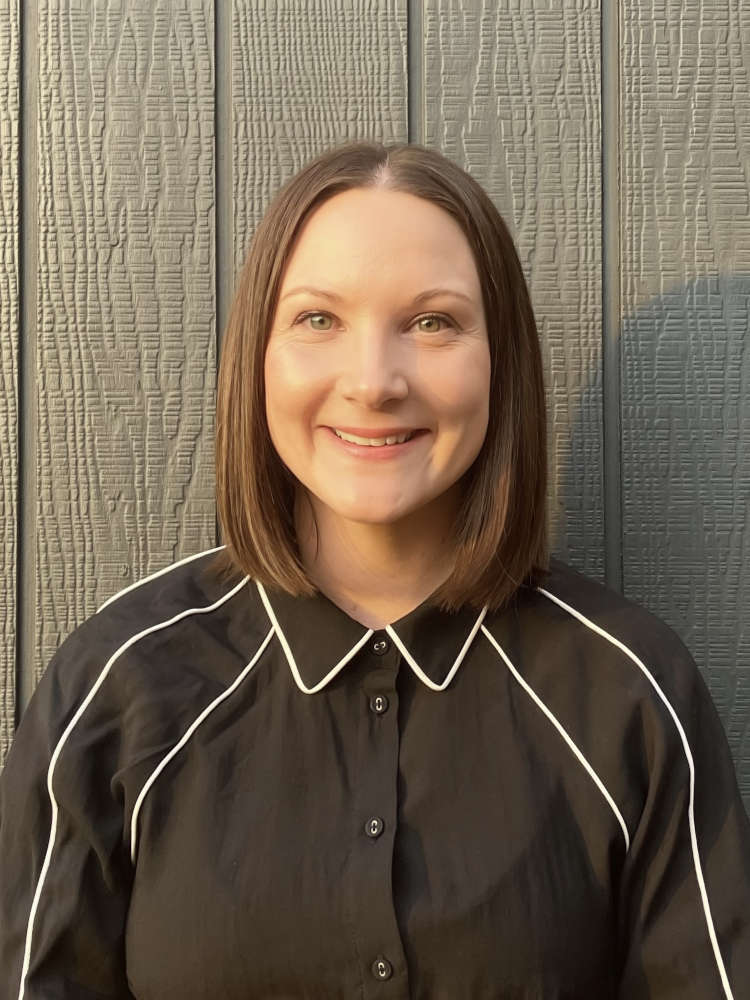
Nicole Mainwaring
Statewide Manager, Family Violence Counselling and Support Service, Community Mental Health and Wellbeing, Department of Health
Bring your team to SDV26
Bringing a team to SDV26 isn’t just about professional development, it’s a strategic advantage. In Canberra, the conversation is shifting from the idea of change to real-world implementation.
Attending together means your organisation can align on what “good” looks like: Shared risk and safety frameworks, consistent language around coercive control and systems abuse, and a coordinated approach to complex crossover issues like DFSV + AOD + mental distress + child protection.
Your team will leave with a unified plan, clear priorities, practical tools to apply immediately, and the cross-sector relationships that make implementation possible.
Just as importantly, it gives your team protected time away from their day-to-day to reset, think systemically and return with momentum - so the learning doesn’t stay with one individual, it becomes embedded across your service.
Testimonials
“An amazing array of guest speakers and researchers presenting on past, present and emerging DFV issues and experiences."
“The speakers were phenomenal.”
“Great opportunities to meet and network with so many others working and researching in this space.”
“The organising, delivery, promptness of the sessions was exceptional.”
“The presenters demonstrated deep expertise, and their discussions were both engaging and relevant to current challenges in this field.”
“Such a broad scope of issues relating to DV.”
“The sessions were highly informative, with a strong focus on evidence-based practices and innovative strategies to address domestic violence.”
“Well attended by national and international colleagues so valuable sharing ideas and networking was possible.”
“I have found presentations diverse, interesting and keeping me up to date with developments.”
“The sessions were highly informative, with a strong focus on evidence-based practices and innovative strategies to address domestic violence.”
The SDV26 Program
Building Safer Futures: System Transformation, Structural Change and Measurable Impact
1. Prevention & Response With Impact: Promising and Emerging Approaches
This stream explores emerging and promising approaches to preventing and responding to domestic and family violence through whole-of-community and public health strategies. Drawing on research and practice across gender-transformative initiatives, respectful relationships education, early intervention and population-level approaches — including alcohol policy and regulatory levers — sessions will examine what current evidence suggests about sustainable implementation and cultural change. The focus is on strengthening prevention and responses across families, schools, workplaces and communities, including bystander approaches and strategies that reach people beyond formal service systems, while building long-term, system-wide capacity for impact.
2. Practical Safety and Lethality Prevention
Centred on saving lives, this stream examines research, policy and practice insights to strengthen risk assessment and safety responses in complex contexts. It explores factors associated with heightened risk, including lethality indicators, strangulation, post-separation danger, digital surveillance and ongoing contact in the context of coercive control. It also considers practical strategies such as risk assessment frameworks, escalation pathways and safety planning tools. Drawing on emerging evidence, system learning and real-world experience — including but not limited to serious incident reviews — sessions aim to enhance early identification and coordinated responses to prevent the most severe harms.
3. Children and Young People as Victims in Their Own Right
Recognising children and young people as victims of domestic and family violence in their own right, this stream centres their lived experience, safety and recovery. It examines the developmental and psychological impacts of exposure to violence, adolescents’ use of violence in the home, and the growing risks of digital sexual harm. The stream prioritises child-centred system responses, meaningful inclusion of children’s voices in co-designing services and supports, and partnerships that strengthen the non-offending parent while promoting long-term safety and wellbeing.
4. Systems Abuse and Social Entrapment: Institutional Harm & Reform
This stream examines how legal, service and institutional systems can be manipulated as extensions of coercive control, extending harm well beyond separation. It explores systems abuse across family law, child protection, policing and other institutional decision-making, including forced unsafe contact and prolonged conflict. Sessions bring together judicial, practitioner, policy and lived experience perspectives to examine accountability, trauma-informed institutional practice, and the real-world impact of recent and proposed reforms.
5. Accountability and Behaviour Change with People Who Use Violence
Focused on responsibility and risk, this stream explores evidence-informed approaches to holding people who use violence accountable for their behaviour. It examines differentiated intervention pathways, monitoring and compliance mechanisms, and approaches to addressing the role of mental health and substance use within a framework that keeps safety central. Attention is given to trauma-sensitive engagement, the intersection of violence with adverse childhood experiences, suicidality and structural vulnerabilities, and to strengthening accountability at both the individual and system level — moving beyond standalone programs toward integrated, risk-based responses.
6. Co-occurring Complexity: DFV, Mental Distress, AOD and Child Protection
This stream addresses the realities of working at the intersection of domestic and family violence, mental distress, alcohol and other drug use, and child protection involvement. It examines how these issues present differently across gender and for victim-survivors, people who use violence, and those with overlapping experiences. The focus is on integrated, safety-first practice models that avoid punitive responses, strengthen help-seeking and collaboration across systems, and build workforce capability to respond to complexity while protecting survivors and children.
7. Technology-Facilitated and Online Abuse
As technology becomes central to coercive control, this stream examines the evolving risks of technology-facilitated abuse and online harm. It explores cyberstalking, smart home surveillance, Artificial Intelligence (AI)-enabled abuse, and the impact of emerging technologies on safety, privacy and autonomy. The stream also considers the responsibilities of platforms and technology providers, positive uses of technology in prevention and response, and practical strategies for supporting survivors in navigating digital harm.
8. Housing and Financial Safety: Pathways to Stability
Housing and financial security are critical foundations for safety and recovery, and this stream addresses the structural barriers that keep people trapped in violence. It examines the links between domestic and family violence, homelessness and economic abuse, as well as financial dependency, gendered economic inequality and disempowerment, including coerced debt, rental discrimination and regional housing shortages. Sessions focus on cross-sector solutions that strengthen financial safety and housing stability, supporting survivors to move from crisis to long-term independence and security.
9. Inclusion, Equity and Access Across the DFV System
This stream centres equity, access and culturally safe responses across the domestic and family violence system. It explores how intersecting identities, structural barriers and systems of privilege shape experiences of violence, help-seeking and accountability — including for First Nations peoples, culturally and linguistically diverse communities, people with disability, LGBTIQA+ communities, older people, and those in rural and remote areas. Particular attention is given to migration-related coercive control, visa insecurity, and system responses that too often exclude or fail those most at risk.
10. Violence as a Health Issue: Prevention, Identification and Response
Domestic and family violence is both a cause and consequence of significant health inequities, and this stream examines the role of the health system in prevention, early identification and response. It explores the short- and long-term physical and mental health impacts of violence, including reproductive coercion and sexual violence, as well as the responsibilities of primary care, emergency, maternity, mental health and community health services. Sessions consider trauma-informed and culturally safe practice, routine enquiry and safe disclosure pathways, cross-sector collaboration, and system-level reform to ensure health settings are equipped to identify risk, support recovery and contribute meaningfully to safety and accountability.
Join Us
Registration Options
$ 499 + GST
Virtual
Save $100 with Early Bird. Ends 09/10/2026.
- Live streaming of all keynote presenters
- Live streaming of all sessions in the plenary room over three-day conference period
- Virtual presentations
- Complete online access to audio and visual presentations for 30 days*
- Over 15 hours towards CPD points
- Your personalised certificate of attendance
$ 1,299 + GST
In-Person | 3 Day Program
Save $300 with Early Bird. Ends 09/10/2026.
- All keynote presentations
- All concurrent presentations
- Discounted accommodation rates
- Access to conference app
- 5-star conference catering package
- Access to exclusive networking functions
- Complete online access to audio and visual presentations for 30 days post-event
- Printed conference materials
- Over 15 hours towards CPD points
- Your personalised certificate of attendance
- Exposure for your organisation
- Plus, chances to win great prizes!
$ 3,597 + GST
In-Person Group of 3
Save $400
- All keynote presentations
- All concurrent presentations
- Discounted accommodation rates
- Access to conference app
- 5-star conference catering package
- Access to exclusive networking functions
- Complete online access to audio and visual presentations for 30 days post-event
- Printed conference materials
- Over 15 hours towards CPD points
- Your personalised certificate of attendance
- Exposure for your organisation
- Plus, chances to win great prizes!
Have a team of 4 or more?
Fill in this form to receive a personal call from our team with your best possible rate.
Where It's Happening
LOCATION
Venue
Hotel Realm Canberra
18 National Circuit, Barton ACT 2600
Experience the elegance of Hotel Realm, Canberra’s premier five‑star destination for events and stays. Perfectly situated beside the Parliamentary Triangle, the hotel is just a short walk from Australia’s most iconic landmarks — including Parliament House, the National Gallery, and the National Library.
Accommodation
📍 Hotel Realm, 18 National Circuit, Barton ACT 2600
🚶 0-minute walk (onsite venue)
Stay onsite in a spacious Realm Suite at Hotel Realm, the official conference venue. With contemporary design, generous living space and premium amenities, this option offers maximum comfort and seamless access to all conference sessions.
Room Only – Burbury Room | $270 per night
📍 Burbury Hotel, 1 Burbury Close, Barton ACT 2600
🚶 1-minute walk to Hotel Realm
Located within the Realm precinct, Burbury Hotel offers modern, boutique-style accommodation just steps from the conference venue. A stylish and comfortable option with easy access to dining, wellness and conference facilities.
Room Only – LNC Room (Little National Hotel) | $250 per night
📍 Little National Hotel, 21 National Circuit, Barton ACT 2600
🚶 2-minute walk to Hotel Realm
Little National Hotel offers cleverly designed “micro” rooms focused on smart luxury and efficiency. Featuring a super king bed and sleek, compact design, these rooms are ideal for solo delegates. Due to their size, they are not suitable for sharing between colleagues.
OUR Partners
Sponsors

Host City Sponsor

Gold Sponsor

Bronze Sponsor

Showcase Exhibitor
Get In Touch